The Utah Department of Alcoholic Beverage Control has updated bonding requirements for airport lounge liquor licenses, potentially increasing bond amounts and altering compliance procedures. These changes affect how lounge operators secure financial guarantees to ensure state liquor laws are followed in airport settings.
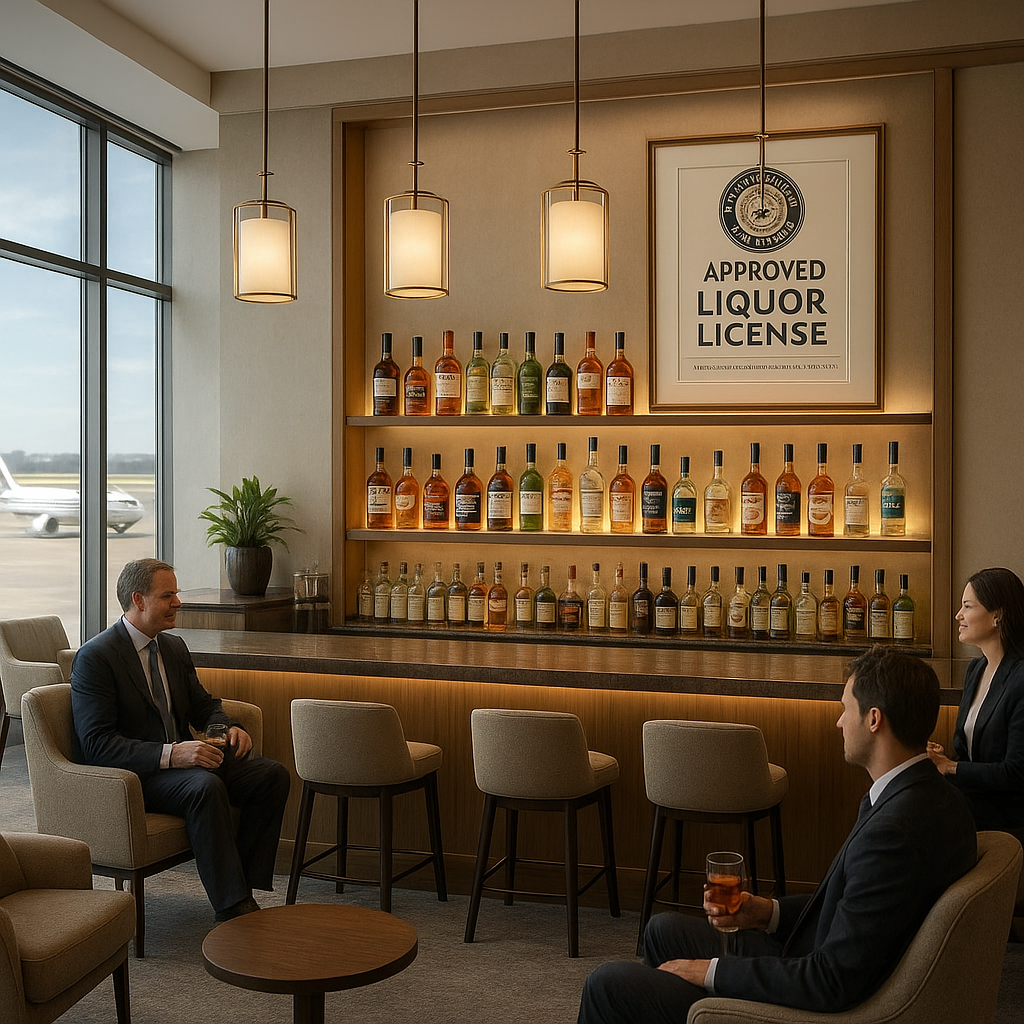
If you’ve ever relaxed in an airport lounge with a glass of wine before a flight, you’ve probably never wondered about the red tape behind that drink. But behind the scenes, airport lounges in Utah have to jump through some unique hoops to serve alcohol legally. One of those hoops is a specialized financial guarantee called the Utah Airport Lounge Liquor Bond. And lately, the Utah Department of Alcoholic Beverage Control (DABC) has been shaking things up. So, whether you’re a lounge operator, an airport concessionaire, or just someone curious about how liquor laws work in the Beehive State, let’s break down what’s changing and why it matters—in plain, simple English.
What Exactly Is a Utah Airport Lounge Liquor Bond?
Think of this bond as a financial promise. It’s not insurance for your business; it’s a guarantee to the state of Utah that you’ll follow all the rules around serving alcohol at an airport lounge. If you mess up—say, you fail to pay liquor taxes, violate serving laws, or don’t remit the required fees—the state can make a claim against your bond to recover what it’s owed. In simple terms, it’s like putting down a security deposit with the DABC. You’re saying, “I’ll play by the rules, and if I don’t, this money will cover the damages.”
The bond involves three parties: the principal (the airport lounge owner or operator), the obligee (the Utah Department of Alcoholic Beverage Control), and the surety (the company that issues the bond and backs the financial guarantee). The DABC requires these bonds for any lounge that holds a liquor license at an airport location. It’s a way to keep everyone accountable in a heavily regulated state.
Why Are Airport Lounges Treated Differently?
Utah’s liquor laws are famously strict. You might remember hearing about “Zion curtains” or the limits on draft beer alcohol content. Airport lounges add another layer of complexity because they operate in a transient, high-security environment. Passengers are passing through, often from states or countries with very different drinking cultures. The DABC wants to make sure that even in this fast-moving space, every sale of alcohol is tracked, taxed, and served responsibly.
Because an airport lounge isn’t a typical bar or restaurant—it’s a controlled access area beyond security—the state treats its liquor bond requirement as a special category. This bond is separate from the general restaurant liquor bond. It’s tailored to the unique risks of serving alcohol to travelers who might be stressed, celebrating, or killing time before a flight.
What’s Changing with the Utah Airport Lounge Liquor Bond?
The Utah Department of Alcoholic Beverage Control has recently updated its bonding requirements for airport lounge licensees. While the core concept stays the same, the changes can impact how much coverage you need, how you file it, and what happens if you don’t comply. Let’s look at the key shifts.
Increased Bond Amounts for Some Lounges
One of the biggest updates is that the DABC may now require a higher bond penalty amount depending on the lounge’s volume of alcohol sales or its risk profile. Previously, many airport lounges operated with a flat or nominal bond. Now, the state is moving toward a more graduated system. For example, a small, quiet lounge with limited service might still need a $10,000 bond, but a large, high-volume lounge serving premium liquors could now be asked to carry $25,000 or more. The exact amount depends on factors like estimated annual liquor tax liability and the number of passengers served.
This change aims to ensure that the bond truly covers potential losses. If a lounge underreported sales by a significant margin, the state wants enough financial backing to recover that money without lengthy legal battles. For operators, this means taking a fresh look at your bond and possibly increasing it to stay compliant.
Updated Filing and Renewal Deadlines
Another change involves when and how you file your bond. The DABC is pushing for electronic filing through its portal, making it easier to track and verify bonds in real time. Renewals are also getting tighter. In the past, a lapse might have been overlooked for a few days; now, the state is quicker to flag expired bonds and could suspend your liquor license if the bond isn’t renewed on time. This is crucial for airport lounges, because even a one-day suspension can mean closing during peak travel times and losing significant revenue.
Stricter Underwriting Scrutiny
Surety companies are also reacting to these DABC changes by applying more thorough underwriting. If you’re applying for a new bond or renewing an existing one, expect the surety to dig deeper into your business’s financial health, credit history, and compliance record. A lounge with a spotless track record will likely still get a bond at a low premium rate—often 1% to 3% of the total bond amount. But if your business has past violations or shaky credit, you might face higher premiums or even difficulty getting approved. This is the surety’s way of managing risk in a tighter regulatory environment.
Who Needs This Bond Exactly?
It’s not just the big international carriers’ lounges. The requirement applies to any airport lounge in Utah that holds an alcoholic beverage license from the DABC. This includes:
- Airline-operated lounges (like Delta Sky Club, though Delta’s SLC hub might be the most visible example).
- Independent shared-use lounges that sell day passes.
- Any private membership lounge within the airport that serves alcohol.
If you’re a concession operator at Salt Lake City International Airport or any other Utah airport with a lounge serving drinks, this bond is your ticket to legally pouring that glass of champagne or local craft beer. And yes, even if you only serve alcohol during limited hours, you still need the bond if your license requires it. It’s tied to your license type, not your operating hours.
How Does This Affect Lounge Operators’ Bottom Line?
I know what you’re thinking: “Higher bond amounts mean more money out of pocket, right?” Not necessarily. You don’t pay the full bond amount upfront. You pay a premium—a small percentage. If your bond needs to jump from $10,000 to $25,000, the annual premium might increase from, say, $100-$300 to $250-$750, assuming a 1-3% premium rate. That’s a manageable increase for most airport lounges that handle significant revenue. But the indirect cost can be bigger: having to update your financial records, potential delays in licensing, or even capital tied up if the surety requires collateral for higher-risk applicants. Planning ahead is key.
Operators should also factor in the administrative time. With the DABC’s push toward electronic compliance and faster renewal cycles, someone on your team needs to stay on top of these deadlines. Letting a bond lapse isn’t just a fine—it’s a public embarrassment and a suspension of your ability to serve, which in an airport setting can damage your brand and customer trust.
Steps to Getting or Updating Your Airport Lounge Liquor Bond
Feeling a bit overwhelmed? Let’s simplify the process. Whether you’re a new applicant or an existing lounge adapting to these changes, here’s a clear path forward.
1. Determine Your Required Bond Amount
Check the latest communication from the DABC. Your license type and sales volume will dictate the specific amount. If you’re unsure, call the DABC licensing division or consult a bond specialist who understands Utah’s unique liquor laws.
2. Gather Your Financial Documents
The surety company will ask for basic business financials, possibly personal credit for small operations, and any past compliance history. Having these ready speeds up the quote process.
3. Shop for a Bond (Don’t Just Renew Automatically)
Different surety companies may offer slightly different premium rates based on their appetite for risk. With the recent changes, it’s worth comparing quotes. Some agencies specialize in liquor bonds and know the ins and outs of Utah’s DABC requirements.
4. File the Bond Electronically
Once approved, make sure the bond is filed through the DABC’s portal (or as they direct). Keep a digital copy for your records. Verify that the state has received it—don’t just assume everything is fine.
5. Set Calendar Reminders for Renewal
Most bonds are written for one-year terms. Set multiple reminders a month before expiration so there’s no last-minute scramble. If your bond is continuous (meaning it stays in effect until canceled), still monitor your premium payments to avoid cancellation.
What If a Claim Is Filed Against Your Bond?
Let’s address the elephant in the room. If the DABC files a claim against your bond, it means the state believes you’ve violated a liquor law and owes money. Common reasons include unpaid taxes, serving minors (even accidentally), or not remitting the required markup on liquor sales. When a claim happens, the surety will pay the state up to the bond’s limit, but then they’ll come to you for reimbursement. That’s right—a bond is not insurance; you are ultimately responsible for paying every penny back to the surety. This can strain a business fast. So, staying compliant isn’t just about keeping a piece of paper current; it’s about protecting your cash flow and reputation.
Why These Changes Might Actually Be a Good Thing
It’s easy to grumble about more regulation, but these bond updates carry a few silver linings. First, a stronger bond requirement helps weed out operators who might cut corners. That raises the bar for everyone and can improve the overall passenger experience. Second, clearer electronic filing makes the system more transparent and reduces legacy paperwork headaches. And third, a well-enforced bond framework protects responsible lounge owners from unfair competition by those who might underpay taxes or flout rules. In the long run, these shifts aim to create a level playing field at Utah’s airports.
Frequently Overlooked Considerations
Before you go, let’s touch on a few things that often catch lounge operators off guard.
- Bond amounts can change mid-year. If the DABC reassesses your risk or your sales skyrocket, you might get a notice requiring a bond increase with short notice. Stay communicative with your surety agent.
- Your bond coverage must be continuous. If there’s a gap—even a day—your liquor license can be suspended. In an airport, that means immediate closure and possible breach of your lease with the airport authority.
- Different airport lounges, different bonds. If your company operates multiple lounges at different airports in Utah, each location typically needs its own bond unless the DABC advises otherwise. Don’t assume one blanket bond covers everything.
Wrapping It All Up
Navigating Utah’s liquor laws can feel like trying to decipher a different language, but the airport lounge liquor bond is simply a tool to keep everyone honest. With the DABC’s recent changes, now is the perfect time to review your bond situation. Does your current coverage match the new expectations? Is your renewal date clearly marked? Take an hour this week to double-check. It could save you from a shutdown during a busy holiday travel season.
For travelers sipping a cocktail in an SLC lounge, all this background work is invisible—and that’s exactly how it should be. But for operators, staying on top of bond requirements means smoother flying, literally and financially. If you have questions, reach out to a bonding expert who knows Utah’s DABC regulations inside and out. A little proactive planning goes a long way in keeping your lounge open, compliant, and ready to serve that next round.