If you’ve ever driven through Santa Fe and spotted a patch of asphalt that already seems to be sinking, you know how much street work matters. The City of Santa Fe, New Mexico, has introduced a sharper focus on how contractors cut into public streets. The updated street opening license bond policy is now part of the process. But what does that actually mean for contractors, homeowners, and local businesses? Let’s break it down in plain language.
What Is a Street Cut License Bond?
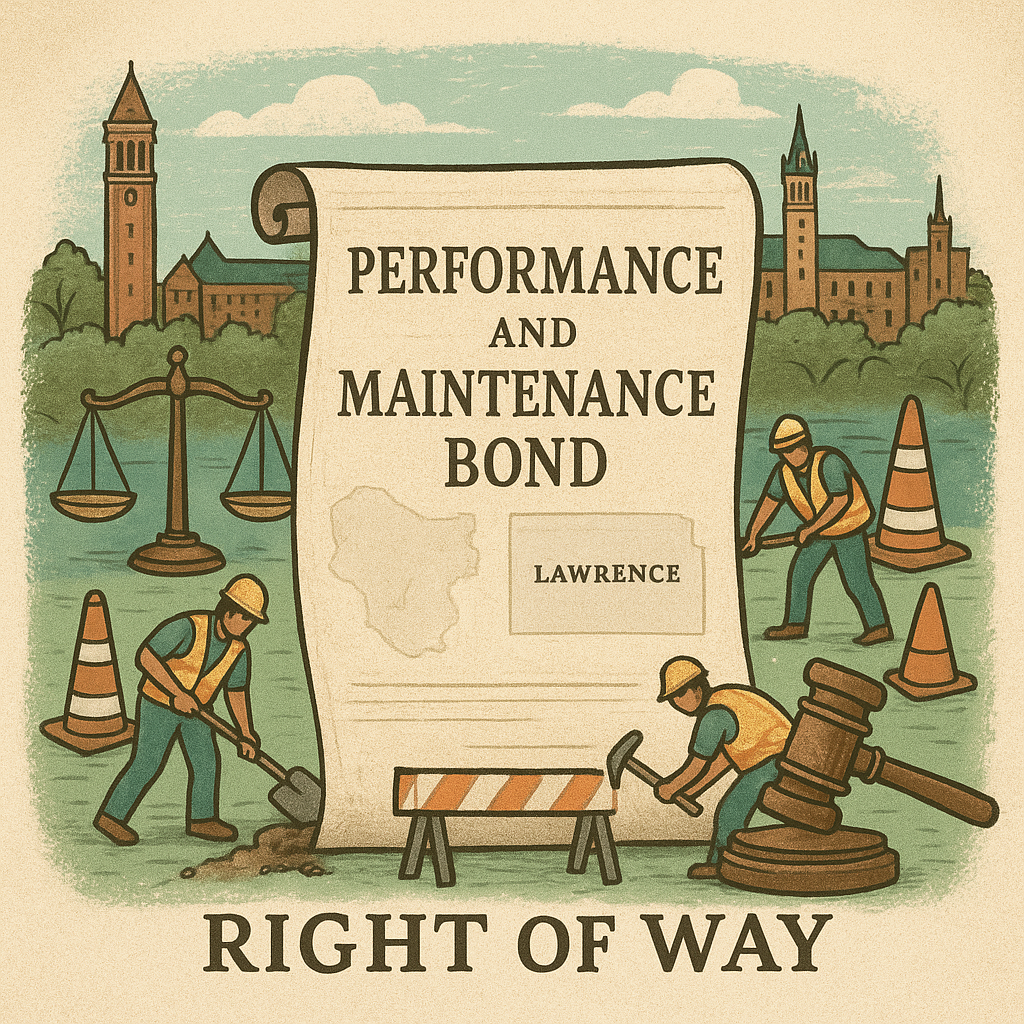
A street cut license bond is a type of surety bond required by the City of Santa Fe NM. It applies when a contractor needs to cut into a public street, alley, sidewalk, or other public right-of-way. Think of it as a financial promise. The contractor promises to follow city rules, complete the work properly, and restore the street to its original condition.
If the contractor fails to do that, the bond can help pay the city to fix the problem. It works a lot like a security deposit. You put money aside not because something will definitely go wrong, but to make sure everyone is protected if it does.
In Santa Fe, a street cut license bond is often tied to a contractor’s license or permit. Before a contractor can legally open up a street, they typically need to show proof that their bond is active and on file with the city.
Why Santa Fe Is Updating the Policy
Roads are one of a city’s biggest investments. Every time someone cuts into the pavement to reach a water line, sewer pipe, gas line, or electrical conduit, there is a risk. If the repair is not done correctly, the street can develop potholes, cracks, or uneven surfaces. Those problems can lead to vehicle damage, trip hazards, and expensive public repairs.
Santa Fe’s new street opening license bond policy is designed to create more accountability. The city wants to make sure that anyone who opens a street takes responsibility for closing it up the right way. By requiring a bond, the city has a financial tool to recover costs if a contractor walks away from a bad job or leaves a dangerous patch behind.
It also levels the playing field. Honest, careful contractors already do good work. The bond requirement helps ensure that less careful operators follow the same rules. For the public, that means fewer surprise repair bills and safer streets.
Who Needs a Street Opening Bond in Santa Fe?
You might think this only affects big construction companies, but that is not always the case. Any person or business that cuts into a public right-of-way in Santa Fe may need a street cut license bond. That includes:
- General contractors handling road or utility work
- Plumbers replacing sewer or water service lines
- Electricians running underground conduit
- Excavation and trenching companies
- Driveway and curb cut installers
- Landscape contractors installing irrigation across a right-of-way
- Utility companies and their subcontractors
If you are a homeowner hiring someone to do this kind of work, ask whether they have the proper Santa Fe street cut license bond. A legitimate contractor should be able to show proof without hesitation. If they cannot, that is a red flag. You could be left dealing with city fines or a poorly repaired street in front of your home.
How the Bond Protects the City and You
Let’s say a contractor cuts into a Santa Fe street to install a new water line. The job is finished, but six weeks later the patch starts to sink. The city inspects the work and determines the contractor did not compact the soil properly. Normally, the contractor would be required to come back and fix it. But what if the contractor refuses or has gone out of business?
That is where the bond steps in. The city can file a claim against the bond. The surety company then investigates. If the claim is valid, the bond pays out up to the bond amount so the city can hire someone else to repair the street. The contractor is ultimately responsible for paying that money back to the surety company.
For homeowners and business owners, this is a quiet form of protection. You may never see the bond in action, but it creates a layer of accountability that helps keep your neighborhood streets smooth and safe.
What Does the Bond Actually Cover?
A Santa Fe street opening license bond typically covers the restoration of public property after excavation work. This can include:
- Backfilling and compacting trenches
- Repaving asphalt or concrete
- Repairing sidewalks, curbs, and gutters
- Removing debris from the work area
- Correcting settlement or potholes caused by the work
It is important to understand that the bond does not cover private property damage or ordinary business liabilities. For example, if a contractor damages your driveway, that is likely an insurance matter. The bond is specifically tied to the city’s public right-of-way requirements.
How Much Does a Street Cut License Bond Cost?
The cost depends on the bond amount the city requires and the contractor’s financial background. The bond amount is not the same as the premium. If the city requires a $10,000 street cut license bond, the contractor does not pay $10,000 upfront. Instead, they pay a small percentage, often between 1% and 10% of the bond amount.
For example, a contractor with good credit might pay $100 to $300 per year for a $10,000 bond. A contractor with lower credit or a more complex business history might pay more. This is because surety companies look at the risk of a claim being filed.
Some contractors may need a higher bond amount depending on the size of their projects or the number of street openings they plan to do. The City of Santa Fe NM can provide guidance on the specific amount required for your license category or permit type.
How to Get a Santa Fe Street Cut License Bond
Getting bonded is usually faster than most people expect. The process often looks like this:
- Confirm the required bond amount with the City of Santa Fe
- Contact a surety bond agency that handles New Mexico contractor bonds
- Fill out a short application with business and credit information
- Receive a bond quote and pay the premium
- File the bond with the city as part of your license or permit application
Many agencies can issue a bond the same day, especially for smaller amounts. If you are a contractor, keeping your bond active is just as important as having your license. A lapsed bond can stop you from pulling permits and delay your projects.
Common Mistakes to Avoid
Navigating a new policy can feel confusing, but a few simple habits can save you time and money. First, do not confuse a street cut license bond with general liability insurance. They are not the same thing. Insurance protects you from accidents and lawsuits. A bond protects the city and the public from incomplete or poor work.
Second, do not assume one bond covers every job in every city. Bond requirements can vary between Santa Fe, Albuquerque, Rio Rancho, and smaller New Mexico municipalities. Always check local rules before starting work.
Third, keep records. If the city asks for proof of your Santa Fe street cut license bond, you should be able to provide a current certificate quickly. Store a digital copy on your phone or tablet so it is always within reach.
What This Means for Santa Fe’s Future
Streets may not be the first thing you notice when you think about a city, but they affect daily life more than we realize. Smooth roads help emergency vehicles move quickly, reduce wear on cars, and make neighborhoods feel cared for. The new street opening license bond policy in Santa Fe is a step toward protecting that shared investment.
For contractors, the bond is not a punishment. It is a sign that you take your work seriously. It tells clients and city officials that you are prepared to stand behind the job from the first cut to the final layer of pavement.
For residents, the policy means there is a clearer path to getting bad street repairs fixed without footing the bill. For the city, it means better oversight and fewer headaches down the road.
Final Thoughts
Change can feel overwhelming, especially when it involves permits, licenses, and bonds. But the idea behind Santa Fe’s updated street opening license bond policy is simple: if you open a street, you are responsible for putting it back the right way. The bond is just the tool that backs up that promise.
If you are a contractor, take a few minutes to check your current bond status. If you are a homeowner, do not be afraid to ask your contractor for proof of bonding. A few simple questions now can prevent big problems later. Whether you are digging a trench or just driving over the finished patch, everyone benefits when street work is done right.