Utah's state-controlled liquor system, overseen by the DABC, requires businesses to obtain specific licenses—club licenses for bars and nightclubs or on-premise licenses for restaurants—each with distinct rules on service and operations. Understanding these license types is essential for navigating the state's unique alcohol regulations.
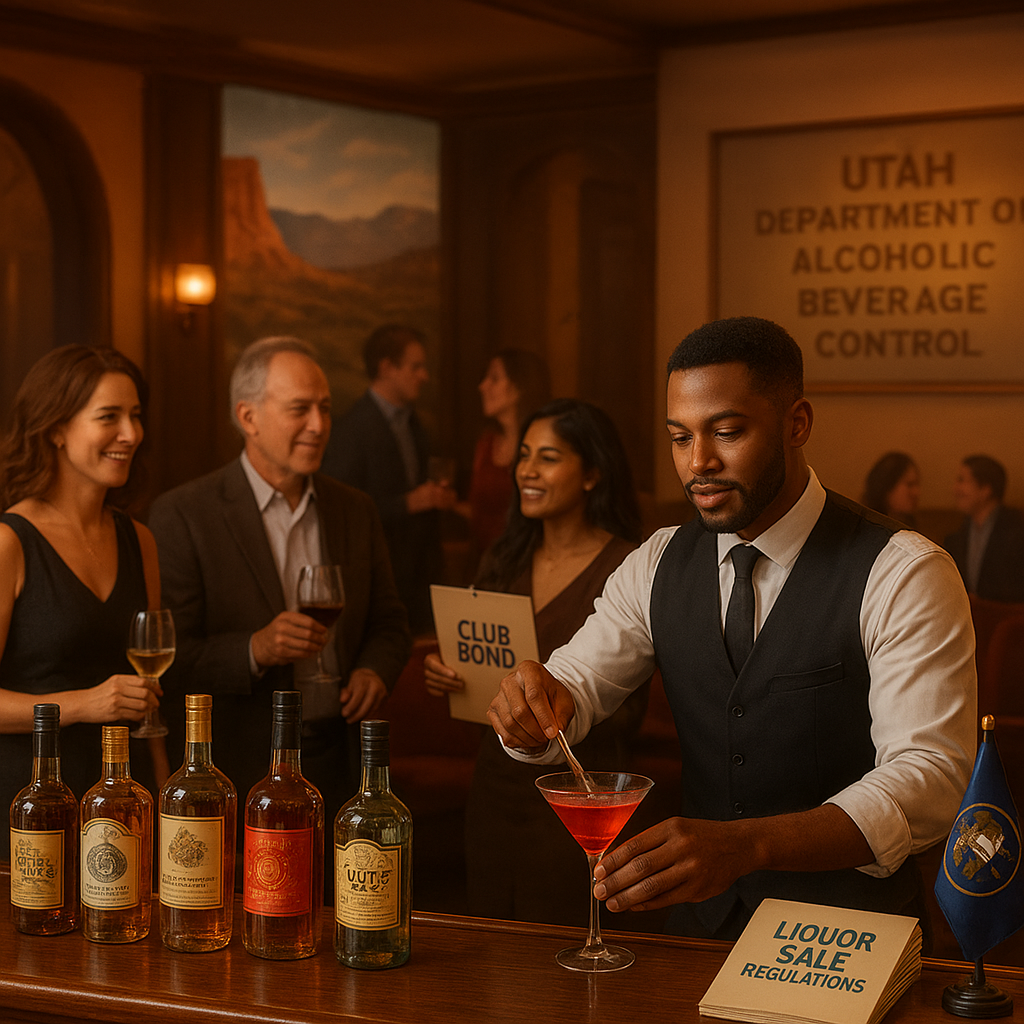
Thinking about opening a bar, nightclub, or even a cozy restaurant that serves cocktails in Utah? You’ve probably already heard that the Beehive State does things a little differently when it comes to alcohol. It’s not like other places where you simply apply for a liquor license and start pouring. Here, the rules are shaped by a unique history and a state-controlled system. This can feel overwhelming, but don’t worry—we’re going to break it all down in plain English. Whether you’re an aspiring business owner or just a curious local, understanding how Utah’s club and on-premise liquor sales work is easier than you think.
Why Utah’s Liquor Laws Look So Different
First, a quick reality check. Utah is one of a handful of “control states.” This means the government, not private businesses, oversees the wholesale and retail distribution of all alcoholic beverages. The star of this show is the Utah Department of Alcoholic Beverage Control (DABC). They manage everything from state-run liquor stores to licensing for bars, restaurants, and clubs. So, if you plan to sell a glass of wine or a mixed drink, you’ll be getting to know the DABC intimately.
The goal? The state wants to balance public safety and responsible consumption with a healthy hospitality industry. That’s why you’ll hear about definitions like “liquor sale – on premise,” which simply means selling and serving drinks to be enjoyed right there at your establishment, not taken home. But hold on—the rules change a lot depending on what kind of place you run. Are you a restaurant that happens to serve margaritas? Or are you a full-blown nightclub? That distinction is important.
The Two Main Players: Club Licenses vs. On-Premise Restaurant Licenses
This is where many people get tripped up. In Utah, the type of license you hold dictates practically everything—from the hours you can serve to whether patrons can belly up to the bar. Let’s introduce both.
The “Club License” – Not Your Typical Members-Only Joint
If you’re running a bar, tavern, nightclub, or a live music venue where alcohol is the main attraction, you’ll likely need a club license. The name sounds like you need a secret handshake and a monthly membership fee, right? Well, that used to be the case. Until a few years ago, private clubs required patrons to purchase a temporary membership before they could even walk in and order a beer. That old “private club” system was a holdover from decades past. Today, after major legislative changes, the “club license” remains the legal term, but most of those membership barriers have been swept away.
Here’s the modern reality: a club license lets you operate a venue where alcohol is served without the requirement that food be the primary source of revenue. Think dance clubs, dive bars, and cocktail lounges. No one has to sign a membership form at the door anymore. However, these establishments still must comply with strict DABC rules regarding security, record-keeping, and… you guessed it, a special surety bond called the Utah Club Bond.
The “On-Premise Restaurant License” – Food First, Drinks Second
Imagine a classic full-service restaurant. The kind of place where you’d take your family for dinner, and maybe you order a craft IPA or a glass of Chardonnay. These businesses typically hold an on-premise restaurant license (often simply called an “on-premise license”). The key requirement? A certain percentage of total sales must come from food, not booze. The DABC wants to ensure these spots are genuinely eating establishments that happen to serve alcohol, rather than bars disguised as restaurants.
You’ll also encounter variations like a limited-service restaurant license or a tavern license, each with its own fine print. But the central idea remains: if alcohol is secondary to your kitchen, you’re in the on-premise restaurant world. And just like clubs, these licenses come with bonding and application requirements that keep the system in check.
Where the Bond Comes In: Making Sense of a Utah Club Bond
So you’ve decided to open a bar. You’ll be applying for a club license through the Utah Department of Alcoholic Beverage Control. During your paperwork deep-dive, someone mentions a “club bond” or “liquor bond.” It’s not a bonding moment over cocktails; it’s a type of insurance that protects the state and your customers. Let’s simplify this.
A Utah Club Bond is a surety bond—a written agreement between three parties. Your business is the principal, the DABC is the obligee (the one requiring the bond), and a surety company provides the financial backing. Think of it as a promise. You’re telling the state, “I will follow every liquor law on the books, pay all my taxes and fees, and operate ethically. And to prove I’m serious, I’m backing that promise with this bond.” If you break that promise—say, you serve alcohol to minors repeatedly and get fined but don’t pay up—the surety bond kicks in to cover the state’s losses. Afterward, the bonding company will come after you for reimbursement. It’s not a cushion for you; it’s a safety net for the public and the government.
How Much Does the Bond Cost, and How Do You Get One?
The required bond amount isn’t the same for everyone. The DABC typically mandates a bond that corresponds to the size and risk level of your operation. For many club license applicants, the bond amount ranges from $5,000 to $20,000 based on the type of club and its projected liquor sales volume. That dollar figure is the total coverage amount—not what you pay upfront. The actual cost to you, the premium, is usually a small percentage of that amount, often between 1% and 5% annually. Your personal credit score plays a big role here. With excellent credit, a $10,000 bond might cost as little as $100 a year. With challenged credit, you’ll still qualify, but the rate will be higher.
Getting the bond is straightforward:
- Find a reputable surety bond agency that’s licensed in Utah. Many specialize in liquor bonds.
- Complete a quick application with basic business and personal info.
- Receive a quote within minutes or hours, depending on the agency.
- Pay the premium and receive your bond document.
- Submit that document to the DABC as part of your license application package.
It’s critical to keep your bond active. If you let it lapse, the DABC can suspend or revoke your liquor license immediately. Mark your calendar for the renewal date—treat it like you would a liquor tax payment.
Navigating the DABC Application Process Without Losing Your Mind
The Utah Department of Alcoholic Beverage Control doesn’t just hand out licenses like candy. There’s a quota system based on population, so available licenses can be scarce. Sometimes you have to buy an existing license from a previous holder, and those can cost a pretty penny on the private market. Beyond the bond, you’ll need to submit a detailed application, pass background checks, provide floor plans, show proof of compliance with local zoning ordinances, and attend a mandatory training session.
On-premise restaurant licenses face a similar gauntlet, though the quotas and costs may differ. The DABC board meets regularly to approve or deny applications, and public comment periods are often part of the ride. It helps to work with an attorney or a consultant who knows the Utah liquor landscape, but plenty of determined owners have navigated it solo.
Common Head-Scratchers and How to Avoid Trouble
Once you’re legally pouring, the responsibilities don’t stop. Utah’s on-premise rules come with a list of things you can and cannot do. Let’s answer a few questions many new owners ask.
Can customers sit at the bar? This depends on your license. If you hold a club license, yes, bar seating is generally allowed. If you have a restaurant license and your bar area is separated by a “substance barrier” (often called a Zion curtain historically), additional rules still exist but have relaxed in recent years. Always check the latest DABC guidance—setups evolve.
What about happy hour and discounted drinks? For a long time, Utah prohibited drink specials that varied by the hour. Today, limited happy hour promotions are possible, but you cannot sell alcoholic beverages below cost or run offers that encourage overconsumption. Tread carefully and read the administrative rules.
Do I need a bond for a one-day event or banquet? Possibly. If you’re hosting a temporary liquor sale on-premise through a special event permit, a small single-event bond might be required. The DABC website outlines these scenarios plainly.
What happens if an employee serves someone underage? Aside from the obvious criminal charges and fines, a violation can trigger a claim against your bond and jeopardize your license. Comprehensive server training (like Sips and Tips) is not just recommended; it’s law.
The Bigger Picture: Why All These Rules Matter to You
Utah’s system might feel like a maze, but it exists for a reason. The state wants to prevent the kind of free-for-all that can come with alcohol deregulation, while still supporting a thriving tourism and dining scene. For business owners, the club bond and license structure provides a clear—if strict—pathway to legitimacy. It shows patrons that your establishment meets a higher bar (pun intended) of accountability.
If you’re a consumer, understanding these distinctions helps you plan a night out. You won’t be confused when a sign says “no one under 21 allowed” at a club versus a restaurant that welcomes families until 10 p.m. You’ll also appreciate that every drink sold comes with layers of oversight designed to keep things safe.
Think of the Utah Department of Alcoholic Beverage Control not as an adversary but as a strict partner. They provide the rulebook, and tools like the Utah club bond give them a way to enforce it without having to micromanage every transaction. The result is a compromise—a distinctively Utah blend of hospitality and restraint.
Ready to Pour? Your First Step Starts Here
If the dream of opening your own club or on-premise establishment is pulling at you, don’t let the paperwork scare you off. Start by visiting the official DABC website to review current licensing quotas and application packets. Then, reach out to a surety bond professional to pin down your bonding requirement early. With your bond in hand and a solid business plan, you’ll be well on your way to serving up great experiences in one of the most unique alcohol markets in the country.
So, which type of license fits your vision? Are you the restaurant owner who wants to pair fine wines with farm-to-table dishes, or the nightclub entrepreneur ready to spin records until last call? Either road requires the right permits, the right bond, and the right knowledge. Now that you’ve got the facts, you can move forward with confidence. Cheers to building something that succeeds within the rules—and still manages to be a whole lot of fun.