Omaha requires secondhand firearms dealers to secure a surety bond as part of their licensing process, serving as a financial guarantee that they will comply with municipal codes and protect the public. This bond covers claims if a dealer violates regulations, such as improper transaction reporting, and applies to pawn shops, gun stores, online resellers, and frequent private sellers.
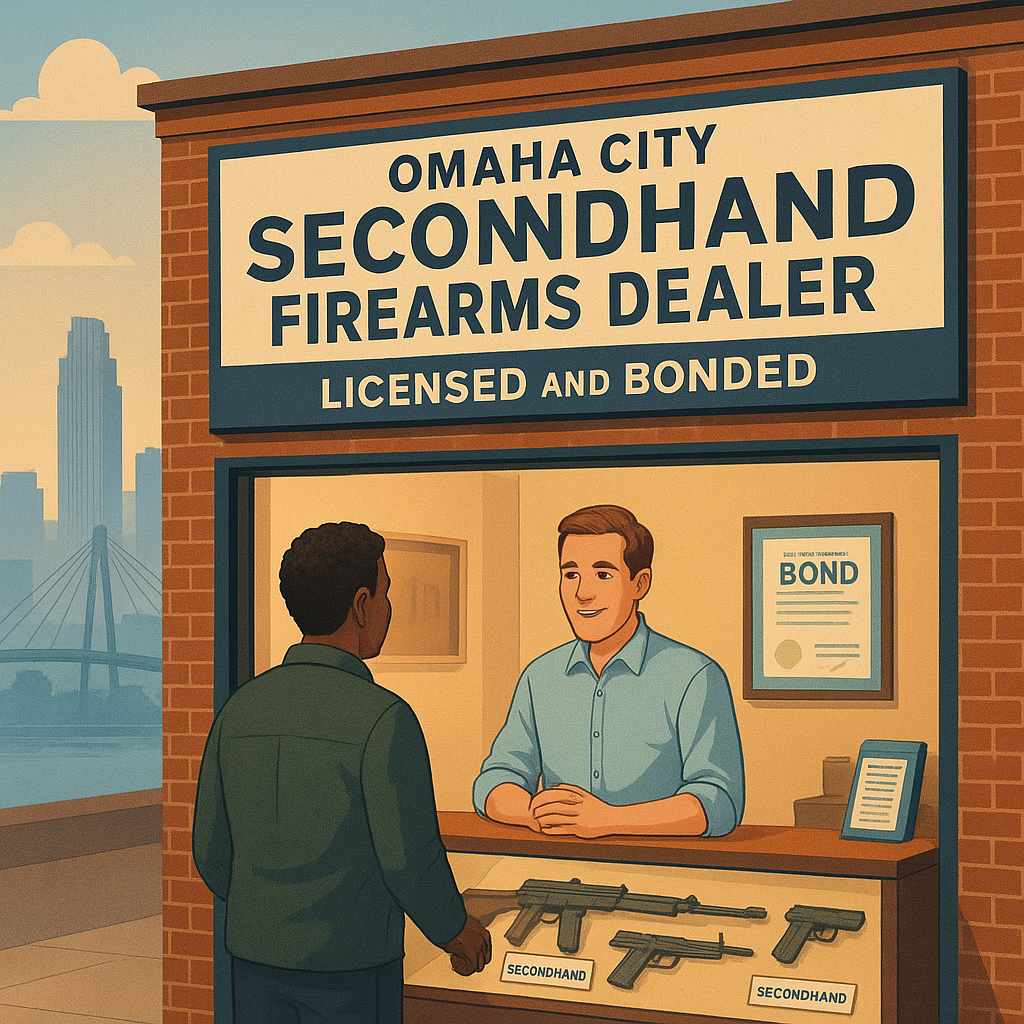
Have you been told you need a bond to sell used firearms in Omaha and feel a bit overwhelmed? You’re not alone. Surety bonds can sound like complicated legal puzzles, but at their heart they’re just a straightforward promise – a financial safety net that helps everyone play fair. Whether you’re opening a pawn shop, expanding a gun store, or selling secondhand firearms at a garage-sale-like event regularly, the City of Omaha wants you to have a secondhand firearms dealer bond. Let’s walk through what that really means, why it exists, and how you can check it off your to-do list without the headache.
What Exactly Is a Secondhand Firearms Dealer Bond?
Imagine three people sitting at a table: you (the dealer), your customers, and the City of Omaha. The bond is a legal agreement that says, “If the dealer doesn’t follow the rules, there’s money available to make things right.” It’s not insurance for your business; it’s a protection for the public and the city. Should you break the municipal code – say, by failing to report a transaction properly or selling a firearm that turns out to be stolen – someone can make a claim against your bond. The surety company would pay out up to the bond’s limit, and you’d then repay every penny. So the bond keeps you accountable and gives the community peace of mind.
Why Does Omaha Require This Bond?
Used guns change hands more often than many of us realize. Omaha’s secondhand dealer regulations exist to prevent the flow of stolen property and keep firearms out of the wrong hands. The bond requirement, spelled out in the city’s municipal code, adds an extra layer of enforcement. Think of it like a driver’s license with a built-in promise: you’re allowed to operate, but if you break the rules, there are consequences that actually help the people affected. The City of Omaha uses the bond to safeguard citizens and ensure that every secondhand firearms transaction remains traceable and honest.
A Real-World Example
Let’s say you buy a used handgun from a walk-in customer without recording the serial number correctly, and later that firearm is linked to a crime. Under Omaha’s rules, your lapse could create financial harm or an uncooperative investigation. The bond would be a pot of money available to cover fines or damages tied to your mistake. It’s not about punishing honest dealers; it’s about making sure the system has a backstop if something slips through the cracks.
Who Needs to Get This Bond?
If you plan to buy, sell, trade, or even display secondhand firearms in Omaha, you’ll likely need a Secondhand Dealer – Firearms license. That license doesn’t get issued until the city has proof of your bond. This applies to:
- Pawn shops that accept firearms as collateral or purchase them outright.
- Gun stores that occasionally deal in used or consignment firearms.
- Online sellers based in Omaha who acquire used guns for resale.
- Auctioneers or private individuals who buy and sell firearms frequently enough to be considered a dealer under the law.
Not sure if your side hobby crosses the line? A quick call to the Omaha City Clerk’s office can clarify, but generally, if it looks like a business dealing in secondhand firearms, the bond is non-negotiable.
How Does the Bond Protect You and Your Customers?
This might sound backwards, but the bond is actually a trust-building tool. When a customer sees you’re bonded, they know there’s a formal process for holding you accountable. It’s the same reason electricians and contractors post bonds – it signals, “I stand behind my work, and I’m not going anywhere.” On your end, the bond also gives you a clear framework to operate within. You’ll be more likely to keep meticulous records and follow the municipal code to the letter, which protects you from accidental violations.
For Omaha residents, the bond means that if a dealer knowingly buys stolen firearms or fails to verify a buyer’s eligibility, they have a way to seek compensation without a messy lawsuit. It keeps the entire secondhand market cleaner and safer for everyone.
The Cost of an Omaha Firearms Dealer Bond
When people hear “bond,” they often picture a huge price tag. Here’s the good news: you don’t pay the full bond amount. You pay a small percentage, called the premium. For the City of Omaha secondhand firearms dealer bond, the required amount is typically a fixed sum – often $10,000 – but you might only pay between $100 and $300 per year for it. The exact premium depends on your personal credit score, business financials, and the surety company you choose. If your credit is solid, that premium drops even lower.
Factors That Influence Your Premium
- Personal credit history (the biggest factor).
- Business experience and length of time in the firearms industry.
- Any past bond claims or legal issues.
- The underwriting guidelines of the surety provider.
Even with less-than-perfect credit, you can often get bonded through a program designed for higher-risk applicants. The key is to shop around. Brokers who specialize in surety bonds can compare multiple markets and find you the best rate.
Simple Steps to Get Your Bond
Getting bonded sounds formal, but the process is often faster than renewing your driver’s license. Here’s a typical roadmap:
- Confirm the exact requirement. Check with Omaha’s licensing division to know the bond amount and any specific bond form language they demand. Some municipalities want the bond to list “City of Omaha” as the obligee.
- Gather your information. Have your business name, address, and applicant’s Social Security number ready. You’ll need to authorize a credit check.
- Apply with a surety bond agency. Many offer online applications that take less than ten minutes.
- Review your quote. You’ll see the premium, term length (most are one year), and any conditions.
- Pay the premium and receive your bond form. It will come as a sealed document or a digital copy acceptable for filing.
- File the bond with the City of Omaha. Keep a copy for your own records; the city won’t issue your license without it.
Once you’re set, mark your renewal date on the calendar. Letting a bond lapse can mean suspension of your license and an expensive headache.
What Happens If Someone Files a Claim?
Nobody plans for a claim, but understanding the sequence can reduce anxiety. If a person or the city itself believes you violated the secondhand dealer rules, they file a claim with the surety company. The surety will investigate – just like an insurance adjuster reviews a claim. If the claim is valid and you haven’t resolved the issue, the surety pays the harmed party up to the bond’s full amount. Then, the surety will come to you for reimbursement. Legally, you’re obligated to pay back every dime. This is why bonds are often described as “credit for the principal,” not insurance. So the best defense is a good offense: keep detailed acquisition and disposition logs, follow waiting periods, and always verify identities.
Frequently Asked Questions, Answered Plainly
Is this the same as my federal firearms license (FFL) bond?
No. The federal bond required for certain FFLs is separate from Omaha’s local secondhand dealer bond. You might need both. Always check with the ATF and the city independently.
Can I use a cash deposit instead of a surety bond?
Some cities permit a cash bond or certificate of deposit in lieu of a surety bond, but Omaha’s code usually specifies a surety bond from an admitted carrier. Verify with the licensing office before tying up cash.
Does my bond cover inventory loss or theft?
No. The bond is not property insurance. It only covers violations of the city’s secondhand dealer regulations. For theft, fire, or inventory damage, you’ll need a separate business insurance policy.
How often do I need to renew the bond?
Most bonds are issued for a one-year term and must be renewed annually alongside your city license. You can typically pay the premium in installments, and your agent will send reminders.
Making the Bond Work for Your Business
Instead of viewing the bond as just another fee, think of it as a membership card to a trusted network of Omaha dealers. It shows law enforcement, customers, and the community that you’re serious about compliance. Pair the bond with strong internal practices: photograph every used firearm you take in, run serial numbers through the proper databases, and educate your staff on filling out the required city forms. When you treat the bond as part of your quality-control system, you’ll likely find that it strengthens your reputation and even draws in customers who appreciate transparency.
Navigating the City of Omaha’s secondhand firearms dealer bond doesn’t have to be a chore. Break it down, ask questions, and work with a surety professional who explains things in plain English. Once you have that bond in hand and your license displayed, you can focus on what you do best: serving your customers and growing your business.