Excavation bonds in Murray City, Utah, act as a financial guarantee that contractors will properly restore public right-of-way areas after digging, protecting taxpayers from repair costs. Required for many projects involving streets, sidewalks, or underground utilities, the bond ensures the city can fund cleanup if a contractor fails to complete the work.
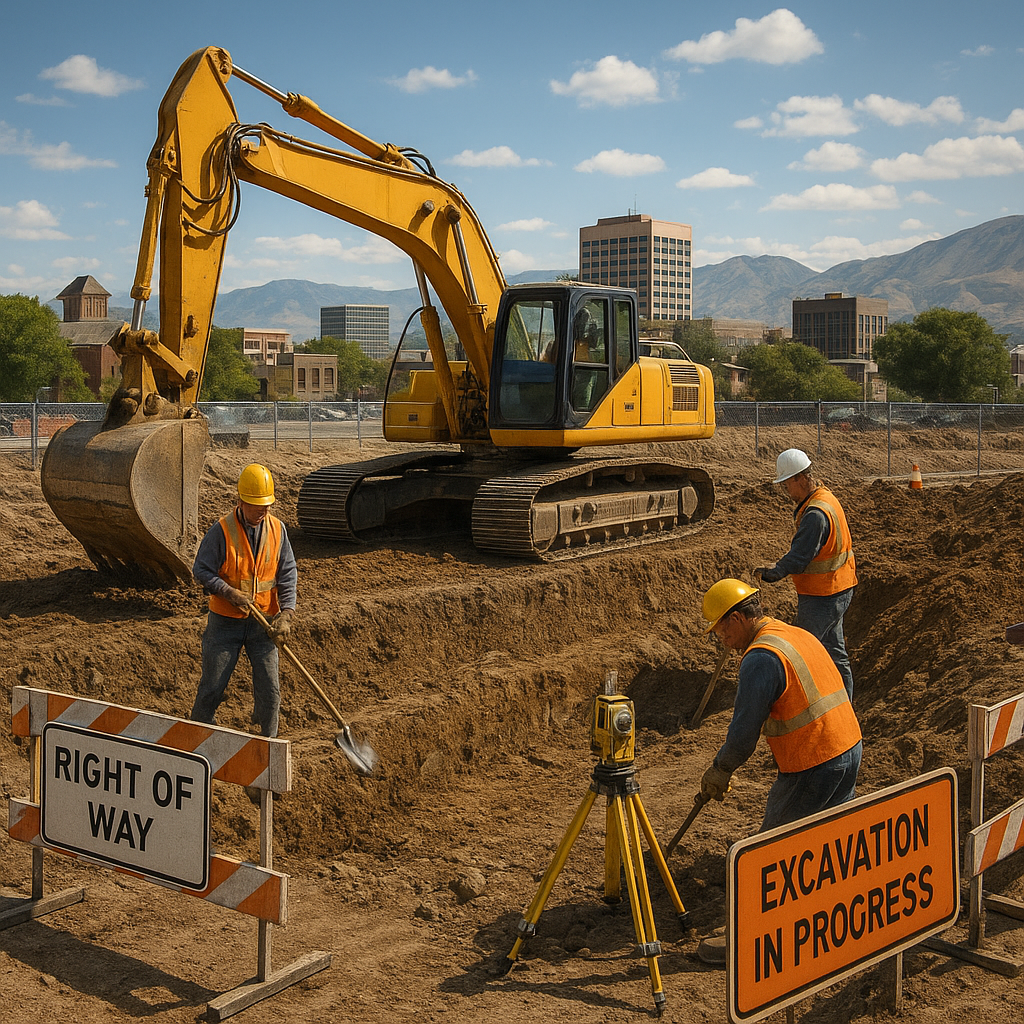
Have you ever stopped to think about what happens beneath the pavement when a contractor digs into a city street? It’s easy to take smooth roads and reliable utilities for granted—until a project goes wrong. That’s where a simple but powerful tool steps in: the excavation bond. If you’re planning a project in Murray City, Utah, that involves digging into the public right of way, understanding this bond isn’t just helpful. It’s essential. Let’s walk through the whole picture in plain, everyday language.
What Exactly Is an Excavation Bond?
Think of an excavation bond as a safety net for the city and its residents. At its core, it’s a financial guarantee that a contractor will do the work correctly and fix any damage they cause. It’s not the same as insurance, although people often mix them up. Insurance might help the contractor if something happens on the job. The bond, on the other hand, protects Murray City and the public.
A more familiar comparison might be a security deposit on a rental apartment. The landlord holds onto that money just in case you leave holes in the wall. If you leave the place spotless, you get the deposit back. An excavation bond works the same way. The contractor secures it before breaking ground, and the city can tap into it if the job site isn’t restored properly or if underground utilities get slammed. The goal isn’t to punish anyone. It’s to make sure taxpayers don’t get stuck with an unexpected repair bill.
Why Does Murray City, Utah Care So Much About Right-of-Way Work?
The “right of way” is the strip of land the public uses for sidewalks, streets, and underground utilities. Even though a homeowner’s property line might end at the grass, the city typically manages that area. When someone digs there—laying a new water line, repairing a sewer lateral, or running fiber optic cable—they’re working inside a shared space. Any sloppy backfill, leftover debris, or cracked pavement can create safety hazards for drivers, cyclists, and pedestrians. Murray City requires an excavation bond for many projects in this zone because they want to ensure the work is done right the first time.
Local government can feel like a maze of rules, but this one has a straightforward purpose. The bond serves as a promise written in dollars. If the contractor vanishes without cleaning up, the city isn’t left holding a pockmarked street. They can call on the bond to hire someone else to finish the restoration. It keeps the neighborhood safe and the infrastructure intact.
Who Actually Needs One of These Bonds?
This isn’t a one-size-fits-all rule, but a good handful of people will face the requirement. You’ll likely need an excavation bond in Murray City if you’re:
- A utility company installing or repairing gas, electric, or telecom lines.
- A general contractor digging a trench for a new water or sewer connection.
- A homeowner taking on a major DIY project that cuts into the public sidewalk or street (though many homeowners hire licensed contractors who already carry bonds).
- A landscaping company installing an irrigation system that crosses into the city’s right of way.
The city’s engineering or public works department will typically tell you upfront when you apply for an excavation permit whether a bond is required. It’s always smarter to ask early than to find out after you’ve already mobilized your crew.
How the Bond Protects Everyone Involved
Imagine a situation where a contractor opens up a section of asphalt to fix a sewer line. They finish the plumbing, toss some gravel in the hole, and promise to come back for a “cold patch.” Weeks pass. The patch sinks, creating a jarring pothole. A cyclist swerves and gets hurt. Without a bond, the city would have to chase the contractor through a lengthy legal process. With a bond, Murray City can file a claim and repair the road quickly. The contractor’s bond provider pays out, then seeks reimbursement from the contractor. It’s a chain of accountability that keeps things moving.
For the contractor, the bond also signals professionalism. It tells customers and city officials that you stand behind your work and take public safety seriously. That can make a big difference when bids are being compared.
The Human Side of the Bonding Process
Getting bonded can sound intimidating, but it doesn’t have to eat up weeks of your time. Most contractors work with a surety bond agency. The agent looks at basic factors—your credit history, experience, and the size of the bond. For small to mid-sized excavation jobs in Murray City, the process is often quick. You might fill out a short application, provide a few documents, and get a quote the same day. It’s a lot like applying for a credit card, except the end result is a piece of paper that unlocks your permit.
Step by Step: Securing Your Excavation Bond in Murray City
Every project has its quirks, but the general path looks like this:
- Confirm the requirement. Reach out to Murray City’s Public Works or Engineering Division. Describe your project and ask what bond amount they’ll need. Sometimes the bond amount is a flat fee; other times it’s a percentage of the construction cost.
- Gather your paperwork. You’ll typically need a business license, proof of insurance, and the specific permit application details.
- Contact a surety bond provider. Look for an agency that understands Utah’s municipal bonds. They’ll walk you through the cost, often called the bond premium.
- Pay the premium and receive your bond form. The premium is only a small fraction of the total bond amount, not the full sum. For example, a $10,000 bond might cost you around $100 to $300, depending on your credit and experience.
- Submit the bond to the city. You’ll hand it in with your permit application. Once everything checks out, you can schedule the work.
After the job passes final inspection—meaning the city agrees the site is fully restored—the bond obligation typically wraps up. You won’t get the premium back, but you can breathe easier knowing the guarantee did its job.
What Affects the Cost of an Excavation Bond?
Cost is often the first question on everyone’s mind. The premium you pay hinges on a few personal and professional factors. A contractor with stellar credit and a long track record will snag a lower rate than someone just starting out. The bond amount required by Murray City is another driver. If the city asks for a $20,000 bond, the premium will naturally be higher than that of a $5,000 bond, but remember—you’re only paying a percentage. Most standard excavation bonds in Utah fall somewhere between 1% and 3% of the total bond amount for well-qualified applicants.
One way to keep costs down is to maintain good relationships with both the city and your surety agent. Ask if the bond can cover multiple projects over a year instead of a single permit. Some agencies offer a “blanket” bond that streamlines your paperwork and saves you money in the long run.
Clearing Up Common Confusions
A lot of people mistake an excavation bond for general liability insurance. Here’s the simplest way to separate them: insurance protects the contractor from losses on the job. The bond protects the public from the contractor. They’re complementary, not interchangeable. Murray City often requires proof of both before a shovel touches the ground.
Another misunderstanding is that the bond exists to make life harder for small businesses. In reality, it levels the playing field. Everyone digging in the right of way plays by the same set of rules. The bond ensures that even if a contractor’s business hits a rough patch, the street gets fixed.
What Happens If Something Goes Wrong?
Claims against excavation bonds aren’t the norm, but they do happen. Maybe a crew accidentally slices through a fiber optic cable, or the trench wasn’t compacted correctly, leading to a sinkhole. When the city files a claim, the surety company investigates. If the claim is valid, the surety pays up to the bond amount, and the contractor must repay the surety—every single penny. It’s not free money. It’s a high-stakes incentive to do clean, careful work. That’s why reputable contractors treat the bond with serious respect.
Why Digging Deeper into the Requirements Keeps Your Project Humming
We’ve all seen projects stall because a piece of paperwork was missing. Call it a lesson learned the hard way. Taking an hour to understand Murray City’s excavation bond expectations before you start can save you days of lost time later. The city’s staff are usually eager to help—they’d much rather explain the bond upfront than deal with an abandoned trench months down the road.
Imagine your street lined with orange cones, the low hum of heavy equipment, and neighbors peeking out their windows. When the equipment rolls away, the only sign of the work should be a fresh patch of pavement that blends in seamlessly. That’s the success story an excavation bond helps write. It’s the invisible guardian that keeps your project from turning into a neighborhood nuisance.
Real-Life Ripple Effects of Playing by the Rules
When you strip away the legalese, an excavation bond is really about trust. You trust the contractor to be a good steward of public space. The city trusts that the bond will cover any missteps. And the community trusts that their daily commute won’t become an obstacle course. That’s a pretty beautiful cycle, isn’t it? Every time a crew in Murray City digs safely and restores the right of way properly, they’re honoring that collective trust. The bond is just the tool that makes it measurable.
So whether you’re a homeowner who’s curious about the orange signs popping up on your block, or a contractor getting ready to bid on your next utility job, keep the excavation bond in your back pocket of knowledge. It’s one of those small details that makes a huge difference in how a community holds together—literally and figuratively.
Ready to Move Forward?
Don’t let the bonding process feel like a mountain. It’s more of a small hill with a paved path. Reach out to a surety bond professional who understands Murray City’s municipal codes. Gather your project specs, ask for a quote, and plug that bond into your permit checklist. With the guarantee in place, you can focus on what you do best—whether that’s engineering a new water line, revamping a driveway, or simply being an informed resident cheering on better infrastructure.
After all, every solid foundation starts below the surface. And in Murray City, Utah, an excavation bond is a key ingredient in building something that lasts.