Colorado requires separate state licenses for well construction and pump installation contractors, with each license requiring its own qualifications and a compliance bond to protect groundwater quality.
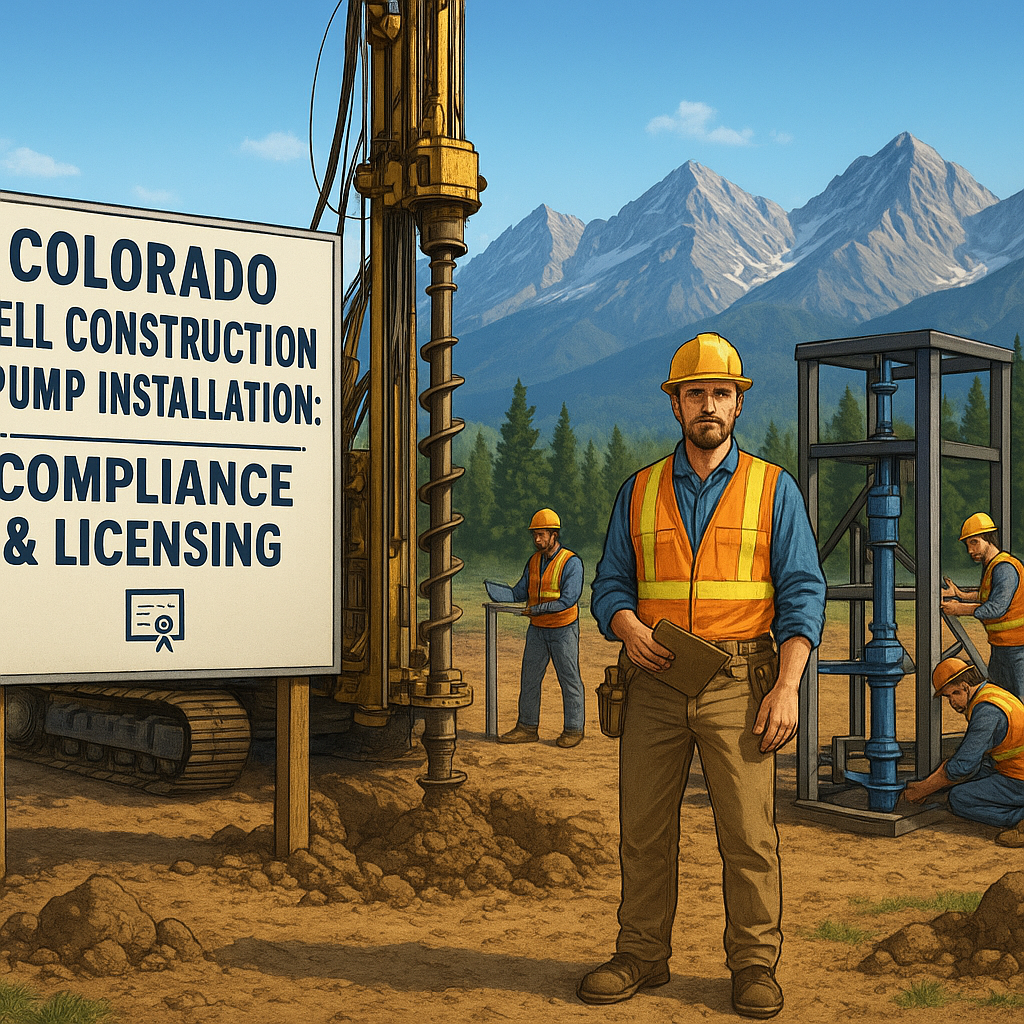
Have you ever thought about what goes into drilling a well or installing a pump on your property? It’s not as simple as just digging a hole and dropping in some pipe. In Colorado, strict rules protect our groundwater, and that means anyone you hire for well construction or pump installation needs a state license — and often a special bond. If you’re a contractor or a property owner trying to navigate these requirements, this guide is for you.
Let’s break it all down in plain language. No legal jargon, no confusing forms — just the facts you need to understand Colorado’s well and pump contractor licensing system.
Why Licensing Matters for Well and Pump Work
Water is one of our most valuable resources. A poorly built well can contaminate an entire aquifer, affecting drinking water for countless families. That’s why Colorado’s Division of Water Resources, specifically the State Board of Examiners of Water Well Construction and Pump Installation Contractors, oversees who gets to work on water wells and pumping systems.
Think of licensing as a quality stamp. It tells you the contractor has proven their knowledge of safe drilling practices, casing standards, grouting methods, and pump installation techniques. Without it, you’d be gambling with your water supply. So whether you’re a homeowner in Weld County looking to replace a submersible pump or a contractor wanting to expand your business, understanding these rules is step one.
Who Needs a License? The Two Main Contractor Categories
Colorado separates water well work into two main trades: well construction and pump installation. Some professionals carry both licenses, but each requires its own qualifications and bonds.
Well Construction Contractors: The Groundbreakers
A well construction contractor is the person who actually drills, bores, or digs the water well. This includes installing casing, screening, and grouting to seal the well against contamination. They’re the ones with the heavy equipment, turning a patch of earth into a safe, productive water source. To work legally, they must hold a Colorado Well Construction Contractor license.
Pump Installation Contractors: The Flow Makers
Pump installation contractors handle everything from the pump itself to the drop pipe, electrical connections, and pressure tanks. They ensure water moves from deep underground into your home, farm, or business. Even if the well was drilled years ago, any new pump work typically requires a licensed pump installation contractor. Their license is separate from the well driller’s license, reflecting the distinct set of skills involved.
The Compliance Bond: A Safety Net, Not Insurance
Now, let’s talk about one of the most misunderstood parts of getting licensed: the bond. In Colorado, both well construction contractors and pump installation contractors are required to post a compliance bond (sometimes called a “Well Contractor – Compliance Only” bond).
What exactly is a surety bond? Many people think it’s insurance for the contractor, but that’s not quite right. A bond is more like a financial promise to follow the rules. It’s a three-party agreement:
- The contractor (principal) — you, the one doing the work.
- The state (obligee) — the Colorado Division of Water Resources, which requires the bond.
- The surety company — the company that backs the bond financially.
If a contractor violates the state’s well construction and pump installation regulations — say, by failing to properly seal a well or using substandard materials — a claim can be made against the bond. The surety may pay out to cover damages, but then the contractor must repay that money. So the bond protects the public and the state, not the contractor. It’s a bit like a security deposit: you put it up to show you’ll follow the lease terms, and if you don’t, you lose it.
How Much Bond Do You Need?
The required bond amount isn’t one-size-fits-all; it depends on the type of license and the scope of work. For Colorado well construction contractors, the bond amount is often set at $5,000. For pump installation contractors, it’s typically $2,500. These figures may sound high, but the actual cost to the contractor is much lower.
Contractors don’t pay the full bond amount upfront. Instead, they pay a premium — a small percentage of the total bond amount — to the surety company. That premium might be as little as $100 to $300 per year, depending on the contractor’s credit and experience. Good credit? You’re likely to see rates around 1% to 3% of the bond amount.
It’s also worth noting that some contractors obtain a single bond that covers both well construction and pump installation activities, especially if they’re dually licensed. Always check with the state board for the most current bond requirements, as regulations can shift.
Steps to Get Licensed and Bonded in Colorado
Feeling ready to take the plunge? Here’s a simple roadmap to help you navigate the process, whether you’re starting fresh or renewing.
1. Meet the experience requirements. Colorado expects well construction applicants to have at least two years of practical experience under a licensed contractor. For pump installers, the requirement is similar. Document your hours, projects, and the supervising contractor’s information.
2. Pass the examination. The state board administers exams covering statutes, rules, and technical knowledge. Study guides are available from the Division of Water Resources. The test isn’t a walk in the park — you’ll need to show you understand things like annular seal materials, pitless adapter installation, and electrical safety codes.
3. Complete the application. Submit your exam results, experience verification, and a completed application form along with the required fee. You can find the latest forms on the Colorado Division of Water Resources website.
4. Secure your bond. Once the board approves your application conditionally, you’ll need to purchase a compliance bond and file it with the state. Work with a surety bond company that understands Colorado’s well and pump contractor regulations. They’ll walk you through a quick application and get you the bond form you need.
5. Maintain your license and bond. Licenses must be renewed periodically — typically every two years. The bond must stay active, too. Letting your bond lapse can lead to license suspension, so mark your calendar or set a reminder.
What Happens If a Contractor Works Without a License or Bond?
The state takes unlicensed work seriously. Penalties can include fines, cease-and-desist orders, and even criminal charges in severe cases. For a property owner, hiring an unlicensed contractor could mean you’re liable for damages or contamination issues. Plus, your homeowner’s insurance might not cover problems caused by unpermitted, unlicensed work. So always ask to see a current license and bond documentation before signing a contract.
How Homeowners Can Verify a Contractor’s Credentials
You don’t have to take someone’s word for it. Colorado makes it easy to verify a license online through the Division of Water Resources’ contractor lookup tool. You can check if the license is active, see the bond status, and note any disciplinary actions. Think of it as a quick background check that costs nothing but could save you thousands.
For example, imagine you’re a rancher near Pueblo who needs a new irrigation well. You’ve found a contractor with a competitive bid, but something feels off. A two-minute search shows their license expired last year and no bond is on file. You just dodged a potentially disastrous mistake.
What the Bond Doesn’t Cover (And Why You Still Need Insurance)
A compliance bond protects the state and the public from regulatory violations. It does not protect the contractor’s business from typical risks like property damage, worker injuries, or lawsuit defense costs. For that, a contractor needs general liability insurance and workers’ compensation coverage. Similarly, the bond won’t shield a homeowner from poor workmanship unless that work violates Colorado’s water well construction rules. If you’re a contractor, think of the bond as the first layer of credibility, with insurance as your safety net for everyday mishaps.
Common Questions About Colorado Well and Pump Contractor Bonds
Let’s tackle a few questions we hear all the time.
Do I need a separate bond for each license? Not necessarily. If you hold both a well construction and a pump installation license, you can often obtain a single compliance bond that satisfies both requirements. The bond amount may be the higher of the two, but speak with your surety provider to get it structured correctly.
What if my credit isn’t perfect? Surety companies look at credit as a measure of financial reliability, but bad credit doesn’t automatically disqualify you. You might pay a slightly higher premium, but there are programs designed to help contractors get bonded regardless of their credit history.
Can I cancel my bond once I stop working? Yes, but don’t just walk away. Notify the surety company and the state board. There’s usually a form to cancel the bond. However, any work you performed while the bond was active is still covered for a certain period, so lingering liability doesn’t disappear overnight.
Keeping Colorado’s Water Safe for Generations
Licensing and bonding may feel like bureaucratic hoops, but they serve a purpose we all care about: clean, safe water. When a contractor in Fort Collins properly seals a well, they’re protecting the aquifer that a family in Greeley might drink from years later. The system isn’t perfect, but it’s built on the idea that everyone who touches our water supply should be accountable.
If you’re a contractor, taking the time to get licensed and bonded doesn’t just make you legal — it builds trust with clients. If you’re a property owner, insisting on these credentials is one of the smartest moves you can make before the drilling starts.
Ready to learn more? Visit the Colorado Division of Water Resources website for current forms, exam schedules, and the contractor search tool. And if you need a bond, reach out to a reputable surety bond agency that can guide you through the compliance bond process in minutes. Safe drilling!