Utah’s Department of Public Safety mandates a surety bond for all licensed ignition interlock installers to guarantee accountability and financial protection against faulty work or fraud. The bond ensures installers follow regulations, safeguarding the public and the state’s DUI prevention program.
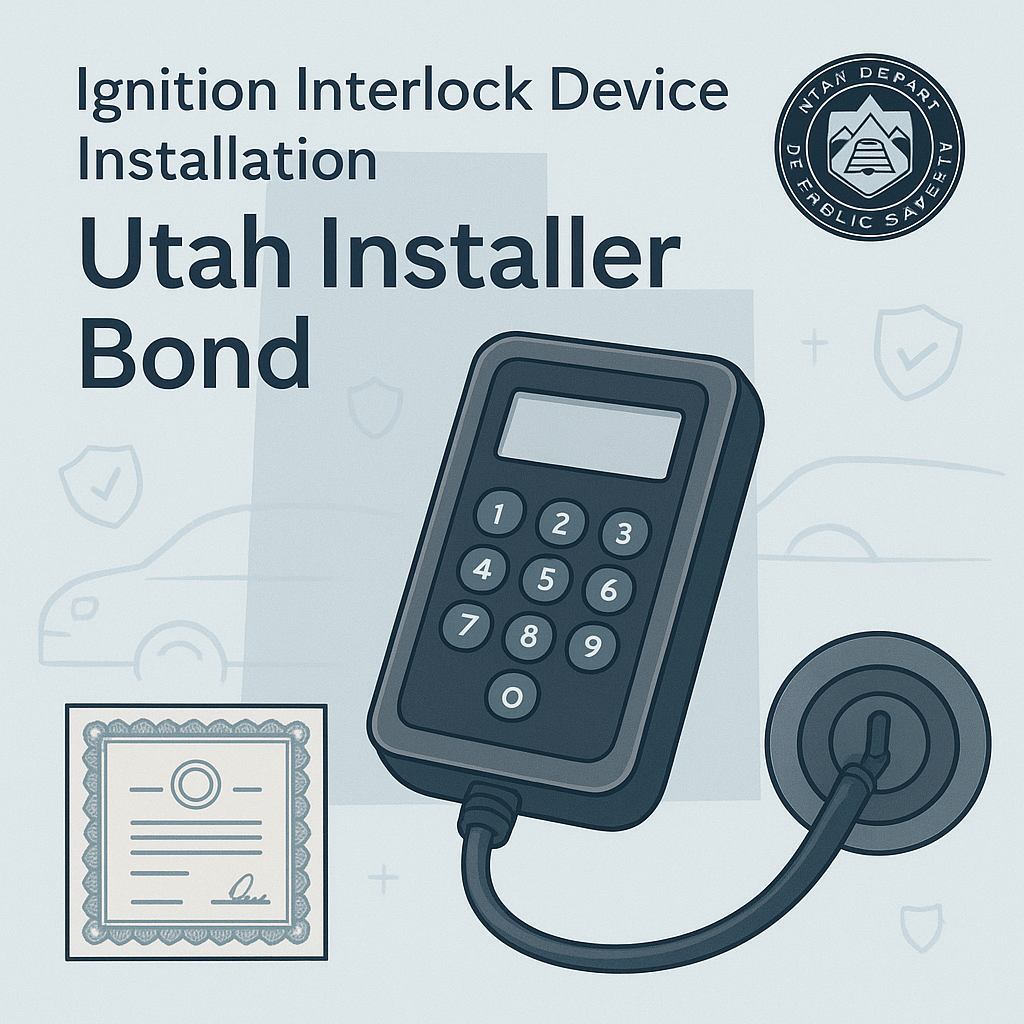
So, you’ve heard about ignition interlock devices—those small breathalyzers connected to a vehicle’s ignition. Maybe a friend or family member needed one. But have you ever stopped to wonder who installs them? More importantly, how does the State of Utah make sure those installers are trustworthy and accountable? That’s where the Utah Ignition Interlock Installer Bond steps in. Let’s break it all down in plain, everyday language.
What Is an Ignition Interlock Device, Anyway?
Picture this: a compact electronic gadget wired into your car’s dashboard. Before you can start the engine, you have to blow into it. If it detects alcohol above a certain level, the car simply won’t start. This device is called an ignition interlock device (IID), and in Utah, it’s often required after a DUI offense. The goal? Keep impaired drivers off the road while still giving people a chance to drive legally to work, school, or treatment programs.
But here’s the thing: these devices need to be installed correctly. A sloppy installation could lead to false readings, electrical problems, or even dangerous tampering. That’s why the state doesn’t let just anyone pop IIDs into vehicles. They have rules—and bonds.
Meet the Utah Ignition Interlock Installer Bond
At its core, a bond is a promise backed by money. Think of it as a safety net. The Utah Department of Public Safety (DPS) requires every licensed ignition interlock installer to carry a surety bond. Why? Because this bond guarantees that if the installer messes up—by breaking the rules, doing shoddy work, or engaging in fraud—there’s a financial resource to make things right.
This isn’t just about punishing bad actors. It’s about protecting everyday people like you and me, the state, and even the installers themselves. When an installer gets bonded, they’re essentially saying, “I stand by my work, and I’ll follow all the regulations.” If they don’t, the bond could pay for damages.
Who Needs This Bond Exactly?
Not every auto shop needs it. The bond is specifically for businesses and individuals that install, service, or remove ignition interlock devices in Utah. If you’re running a shop that only fixes brakes or changes oil, this bond won’t apply to you. But the moment you touch an IID—physically mounting its control unit, connecting it to the vehicle’s wiring, calibrating it—you step into a regulated world.
The UT Department of Public Safety oversees the licensing process. Before you ever install a single device, you’ll need to prove you’re bonded. It’s a non-negotiable piece of the puzzle, right alongside your business license and any required training certifications.
Why Does the Department of Public Safety Require It?
Utah takes DUI prevention seriously. The ignition interlock program is a lifeline for many people trying to regain their driving privileges, but only if the equipment works flawlessly. A malfunctioning device could let a drunk driver hit the road, or falsely prevent a sober person from starting their car. Both scenarios are bad news.
By demanding a bond, the state creates a layer of accountability that goes beyond a handshake. If an installer cuts corners—say they use counterfeit parts, skip calibration steps, or fail to report tampering—the bond can be claimed against. This financial pressure encourages installers to follow the letter of the law. It also reassures customers that they’re dealing with a vetted, responsible professional.
How Does the Bond Actually Work?
Let’s simplify this with a three-party model:
- The Principal – That’s the ignition interlock installer. They buy the bond and promise to obey all state regulations.
- The Obligee – That’s the Utah Department of Public Safety. They require the bond to protect the public interest.
- The Surety – The insurance company that issues the bond. They back the installer financially.
If an installer violates the rules and causes harm, a claim can be filed. The surety investigates. If the claim is valid, the surety pays out up to the bond’s full amount. But here’s a key point: the installer is ultimately responsible. The surety will then seek reimbursement from the installer for every penny paid. In other words, the bond is not a “get out of jail free” card—it’s a serious obligation.
What Could Go Wrong Without a Bond?
Imagine this: a driver finishes a long work shift, completely sober, and hops into their car. They blow into the interlock, but the device gives a false positive because of a faulty installation. The car won’t start, they’re late for a critical appointment, and now they face potential legal consequences for a violation they didn’t commit. Without a bond, the driver might have to fight an uphill battle alone, incurring legal fees and lost wages.
Or think about a shady installer who charges a customer for a premium device but installs a used, uncalibrated unit. The customer has no easy way to recover the money they paid. The bond changes that equation. It provides a clear path for compensation, holding installers financially responsible for their actions.
How Much Does the Bond Cost?
You might wonder, “Is this another massive expense?” Not exactly. Bonds are not the same as traditional insurance where you pay the full coverage amount. The bond amount is set by the state—often a figure like $10,000 or $25,000—but what you pay (the premium) is just a small percentage of that. For the Utah Ignition Interlock Installer Bond, installers with good credit might pay only a few hundred dollars annually. If your credit is shaky, the rate might be higher, but it’s still a manageable business cost.
Why is credit relevant? The surety company assesses risk. If you’ve managed your finances well, they consider you less likely to cause a claim. It’s that simple. Even with imperfect credit, getting bonded is usually possible—you’ll just pay a bit more.
Steps to Getting Your Utah Ignition Interlock Installer Bond
Ready to dive in? Here’s how the process generally unfolds:
- Confirm the required bond amount. Check with the Utah Department of Public Safety or their official licensing guidelines. Regulations can change, so always get the latest number.
- Reach out to a surety bond provider. You can work directly with an insurance agent or use an online bonding service. Many companies specialize in bonds for automotive businesses.
- Complete a simple application. Expect questions about your business history, personal information, and possibly a credit check. It’s painless.
- Review your quote. Compare premiums, but don’t just chase the cheapest option. Look for a reputable surety with good customer service.
- Pay the premium and receive your bond form. The surety will issue the official bond document. File this with your license application to DPS.
- Renew on time. Bonds typically last one year. Mark your calendar so your license doesn’t lapse.
What Protections Does the Bond Offer to Consumers?
If you’re a driver required to use an IID, this bond is your undercover hero. It ensures that if the installer violates state statutes—like failing to report calibration data or not maintaining proper records—you have a way to seek damages. The bond doesn’t cover every possible gripe (it’s not a warranty for normal wear and tear), but it does cover acts of dishonesty, regulatory violations, and substandard work that causes harm.
Did the installer disappear without completing the installation? Did they damage your vehicle’s electrical system through negligence? These might be valid reasons to file a claim. Always document everything, and contact the Utah DPS if you suspect foul play.
How Does Utah’s Requirement Compare to Other States?
You might be surprised to learn that not every state mandates a bond for IID installers. Utah’s approach is considered proactive. By requiring this bond, the Beehive State aligns ignition interlock installation with other licensed professions like contractors or auto dealers. It’s a testament to Utah’s commitment to public safety and consumer protection. So if you’re an installer, being bonded isn’t just a bureaucratic hassle—it’s a badge of credibility.
Common Myths About Surety Bonds
Let’s clear up some confusion:
- Myth: “The bond protects me, the installer.” Truth: The bond protects the state and consumers. You, the installer, are responsible for repaying the surety if a claim is paid.
- Myth: “My business insurance covers everything, so I don’t need a bond.” Truth: General liability insurance isn’t the same. The bond is a specific state mandate. You likely need both.
- Myth: “Once I get bonded, I’m covered forever.” Truth: Bonds expire, and your license depends on keeping the bond active. Set reminders.
Keeping Your Bond in Good Standing
Maintaining your bond is straightforward: follow the law, do quality work, and treat customers fairly. Avoid actions that could trigger a claim—things like misrepresenting device capabilities, charging hidden fees, or ignoring DPS reporting requirements. If a dispute arises, try to resolve it quickly before it escalates to a claim. A clean claims history can also mean lower premiums when you renew.
Frequently Asked Questions We Hear
Can I install an IID without a bond if I’m just helping a friend?
Absolutely not. The law applies to anyone engaging in the business of installing or servicing these devices. Even one unauthorized installation can lead to fines, loss of license eligibility, and legal trouble.
What happens if a claim is made against my bond?
Don’t panic. Contact your surety company immediately. They’ll walk you through the process. Sometimes claims are invalid, and the surety will defend against them. If it’s valid, you’ll need to reimburse the surety, but proactive communication is key.
Does the bond cover the device itself?
No. The bond covers the installer’s compliance with state laws, not product warranties. If the device breaks, you’ll look to the manufacturer’s warranty, not the bond.
Wrapping It All Up
The Utah Ignition Interlock Installer Bond might sound like dry paperwork, but it’s actually a powerful tool for trust. It weaves a safety net through the DUI interlock program, protecting vulnerable drivers, maintaining public safety, and elevating the professionalism of installers. Whether you’re a business owner seeking licensing or a driver with questions about your installer’s credibility, understanding this bond puts you on solid ground.
So next time you see that little breathalyzer unit in a car, remember there’s more behind it than just wires and sensors. There’s a careful system of accountability, backed by a bond, helping Utah roads stay safer for everyone.