Utah hotels selling liquor, beer, or wine by the drink must secure a Utah Hotel Liquor Bond, a surety bond required by the Department of Alcoholic Beverage Control (DABC). This three-party agreement protects the state and public by providing financial coverage if a hotel violates liquor laws or fails to pay taxes.
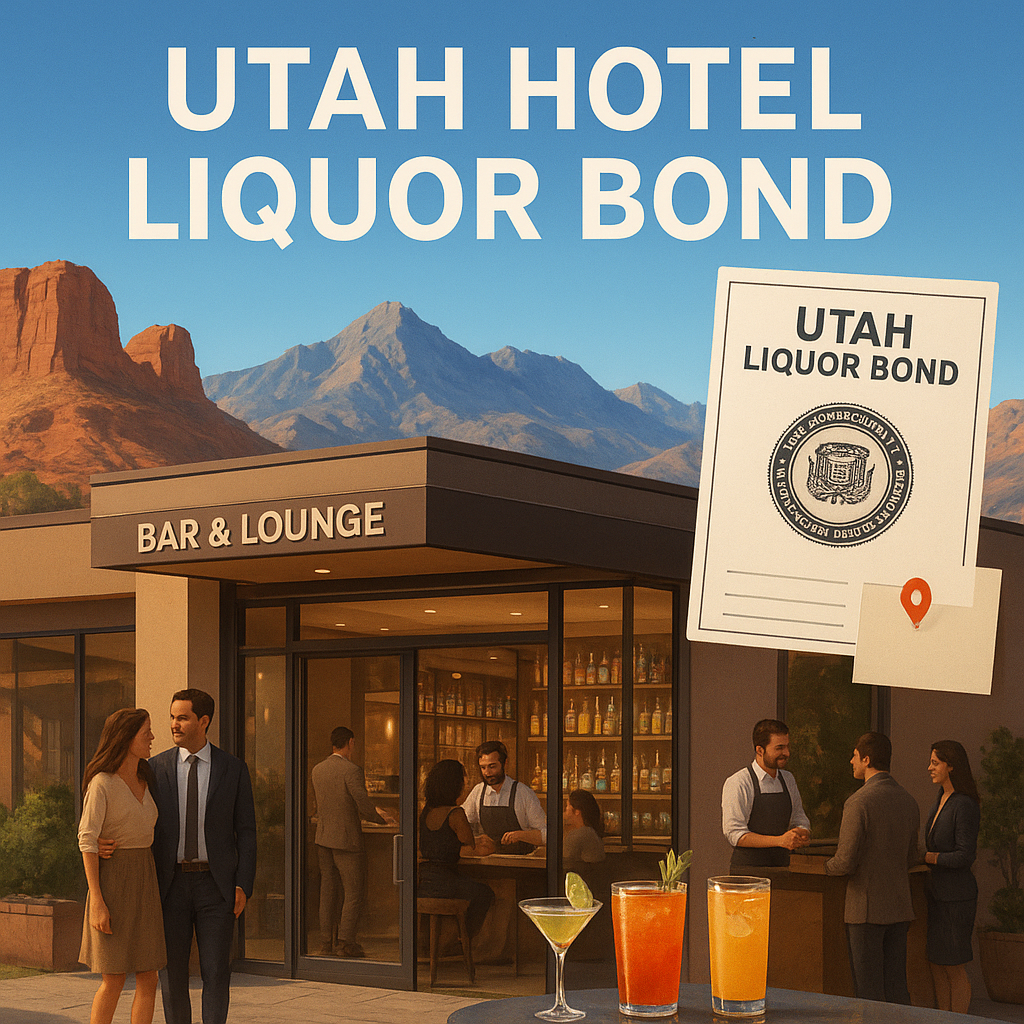
Have you ever checked into a hotel, wandered down to the bar, and ordered a crisp glass of wine without a second thought? Behind that simple pour lies a web of state rules, licensing requirements, and financial guarantees. If you’re running a hotel in Utah—or planning to—you’ll quickly bump into something called a Utah Hotel Liquor Bond. It might sound intimidating, but think of it as a promise you make to the state, backed by a little extra security. Let’s unpack everything you need to know, minus the legal mumbo jumbo.
What Exactly Is a Utah Hotel Liquor Bond?
A Utah Hotel Liquor Bond is a type of surety bond required by the Utah Department of Alcoholic Beverage Control (DABC). If your hotel wants to sell liquor, beer, or wine by the drink, you’ll typically need this bond before you can get your license. In simple terms, it’s a three-party agreement. You (the hotel owner) promise to follow all state liquor laws. The bond company promises to cover financial losses if you break those promises. And the state is the one watching over everything, making sure guests and the community stay protected.
Why does Utah ask for this? Liquor sales bring in tax revenue, but they also come with responsibilities. The bond helps ensure that if a hotel fails to pay taxes, violates serving regulations, or otherwise runs afoul of the rules, there’s a financial cushion ready to make things right. It’s not insurance for you—it’s protection for the public and the state.
The Utah Department of Alcoholic Beverage Control: The Rule Maker
To understand the bond, you first need to know who’s setting the rules. The Utah Department of Alcoholic Beverage Control oversees all aspects of alcohol sales across the state. From issuing licenses to conducting compliance checks, this agency operates with a clear mission: balance consumer access with public safety. Utah has some of the more tightly controlled liquor laws in the country, and the DABC is the engine behind that regulation.
When your hotel applies for a liquor license—whether it’s a full-service restaurant license, a limited-service license, or a bar license attached to the property—the DABC will look at your business plan, your location, and your financial responsibility. The bond is part of that financial responsibility picture. It’s the state’s way of saying, “We trust you, but we also verify.”
Which Hotels Need This Bond?
Not every hotel automatically needs a liquor bond. The requirement kicks in when you apply for a license that allows you to sell alcohol on the premises. That could be a hotel with a dining room that serves cocktails, a rooftop bar, or room service that delivers beer and wine. If the DABC mandates it as part of your license approval, you’ll need to secure the bond before the license is issued. Always check directly with the DABC for your specific license type, but assume that any on-premise consumption scenario will likely involve a bond.
How Does the Bond Actually Work?
Let’s break it down with an everyday analogy. Imagine you’re renting an apartment. You give the landlord a security deposit. If you follow the lease—no damage, on-time payments—you get that deposit back. If you leave the place trashed, the landlord uses the deposit to cover repairs. A surety bond operates on a similar concept, but with a twist.
You pay a premium (usually a small percentage of the total bond amount) to a surety company. In return, the company issues the bond. If a claim is filed against your bond—say you didn’t remit the correct alcohol taxes and the state steps in—the surety company initially pays out the claim up to the bond’s full amount. But here’s the catch: you have to reimburse the surety company for every penny paid out. It’s like a loan you’re legally obligated to repay. This keeps hotel owners accountable. The state gets fast protection, and you have a powerful incentive to follow the rules.
How Much Does a Utah Hotel Liquor Bond Cost?
Cost is usually the first question on any business owner’s mind. The total bond amount required by the DABC varies based on your license type and projected alcohol sales volume. Bond amounts can range from $10,000 to $25,000 or more. But you won’t pay that full amount. What you pay is the premium, which is a percentage of the total bond. For most applicants with decent credit, premiums fall between 1% and 5% of the bond amount.
So if your required bond is $20,000 and you’re quoted a 2% premium, you’d pay just $400 a year. That’s a manageable cost for the ability to generate significant revenue from liquor sales. Factors like your personal credit score, business financials, and experience in the hospitality industry will influence your exact rate. Even if your credit isn’t perfect, specialized surety companies often offer programs for higher-risk applicants, though the premium might be a bit higher.
Step-by-Step: Securing Your Bond
Feeling ready to get the ball rolling? The process is more straightforward than you might expect. Here’s a simple walkthrough:
- Check your DABC requirements: First, confirm the exact bond amount and any special conditions tied to your license application. This information is typically outlined in the licensing paperwork or available on the DABC website.
- Find a reputable surety bond provider: Look for companies that specialize in liquor bonds or Utah business bonds. They’ll understand the state’s nuances and can guide you smoothly through underwriting.
- Apply for the bond: You’ll provide basic business details and often give permission for a quick credit check. This step is usually painless and can be done online in minutes.
- Receive your quote and pay the premium: Once approved, you’ll get a quote. Pay the premium, and the bond becomes active.
- File the bond with the DABC: The surety company will issue the official bond form. You’ll submit this directly to the Utah Department of Alcoholic Beverage Control as part of your license package.
- Renew annually: Most bonds need to be renewed each year. Mark your calendar so there’s no lapse—an expired bond can put your liquor license at risk.
Common Misconceptions and Real-World Scenarios
Let’s clear up a few myths. First, a liquor bond is not the same as liquor liability insurance. Insurance protects your business if someone gets overserved and causes an accident. The bond protects the state and the public from your business’s failure to comply with laws and tax obligations. You’ll likely need both.
Think about this: a boutique hotel in Salt Lake City decides to add a small bar near the lobby. They apply for a license, pay the bond premium, and start serving. Months later, an audit reveals they underreported sales and owe additional taxes. The DABC can file a claim against the bond to recover that tax shortage quickly, avoiding a long court battle. The hotel then pays back the surety company. Without the bond, the state would have to chase the hotel through collections, which costs everyone time and money. The bond smooths out these rough patches.
Another scenario: a hotel changes ownership but forgets to update the bond. The new owner starts operating under the old license, and a violation happens. Guess what? The bond is tied to the original principal, so a messy liability dispute can arise. Always keep your bond documentation current when your business structure changes.
What Happens If You Don’t Comply?
Operating without the required bond is a serious matter. The DABC can suspend or revoke your liquor license. Fines can pile up, and the legal headache could tarnish your hotel’s reputation. Even worse, a claim against a nonexistent or lapsed bond leaves the state exposed, and you could face personal liability. It’s simply not worth the risk. Think of the bond as a partnership tool—it keeps your relationship with regulators on solid ground.
Why This Bond Is Good for Business
It’s easy to see surety bonds as yet another bureaucratic hoop. But take a step back. By requiring this bond, Utah creates a level playing field. All hotels that serve alcohol must meet the same financial responsibility standard. This builds trust with your guests, knowing they’re patronizing an establishment that’s fully vetted. It also signals to your community that you take your obligations seriously.
Plus, from a purely practical standpoint, your liquor sales can significantly boost your bottom line. A bonding requirement is a small price of admission for that revenue stream. Once you’re bonded and licensed, you can focus on crafting a killer cocktail menu, training your serving staff, and creating memorable experiences for travelers.
Keeping Everything in Good Standing
After your bond is filed and your license is hanging on the wall, don’t just forget about it. Stay proactive. Review your alcohol tax filings regularly. Train your employees thoroughly on Utah’s serving laws—card everyone who looks under 35, watch for signs of intoxication, and keep meticulous records. If the DABC updates any regulations, adjust your operations quickly. By running a tight ship, you drastically reduce the chance of a bond claim ever being filed.
Most surety companies will remind you when renewal is coming up. Still, add your own reminder two months before the expiration date. Life gets busy, and a lapsed bond could inadvertently shut down your bar service. That would be a tough conversation with a wedding party expecting a champagne toast.
Final Thoughts and Next Steps
Navigating Utah’s liquor laws might feel like learning a new language, but the Hotel Liquor Bond is a straightforward part of the puzzle. It’s a promise, a financial safeguard, and a business enabler rolled into one. By understanding the role of the Utah Department of Alcoholic Beverage Control, how the bond works, and what’s expected of you, you’re already steps ahead.
If you’re preparing to open or expand a hotel in the Beehive State, start by reaching out to the DABC for your specific bond requirements. Then connect with a trusted surety bond professional who can walk you through the application. In no time, you’ll have the paperwork handled, and you can get back to doing what you do best—making guests feel welcome with a perfectly poured drink in hand.