Arvada requires contractors performing right-of-way work to secure a license bond, which protects the city and public from financial loss due to incomplete or damaged projects. This bond acts as a financial guarantee that contractors follow regulations and cover costs if issues arise.
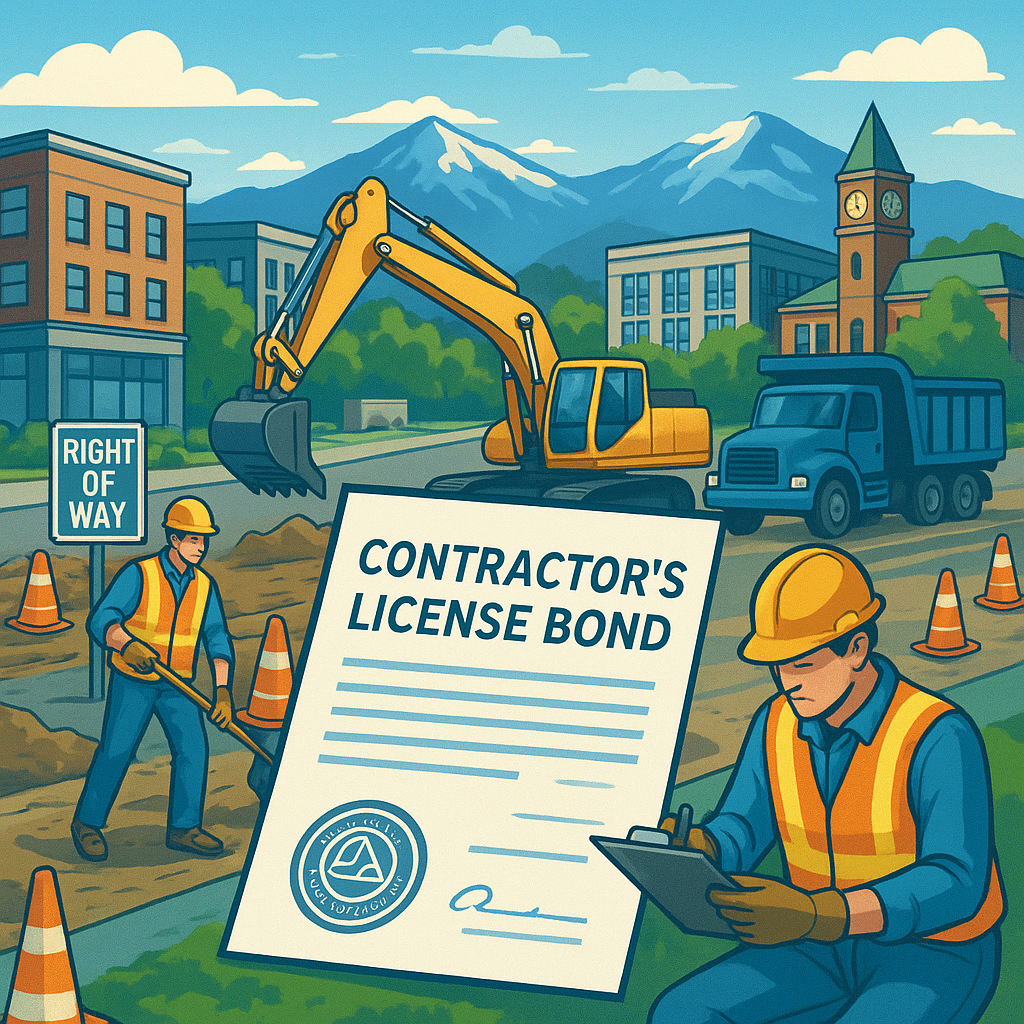
Stepping into the world of municipal contracting can feel like learning a new language. You hear terms like “right-of-way permit” and “surety bond” tossed around, and it’s easy to get lost. If you’re planning to dig up a sidewalk, install a utility line, or do any work within the City of Arvada’s public spaces, there’s a key requirement you can’t afford to miss: the Arvada Contractor’s License Bond. Let’s break this down into plain, everyday language so you can move forward with confidence.
What Exactly Is a Contractor’s License Bond?
Think of a contractor’s license bond as a promise with a financial backbone. It’s not insurance for your business—it’s protection for the public and the city. The bond involves three parties: the contractor (that’s you), the city (the obligee), and the surety company that backs the bond. If you fail to follow the rules, finish the job, or cause damage, the bond guarantees that there’s money available to make things right.
Confused? Picture a security deposit on an apartment. Your landlord holds that deposit to cover any damage you might cause. The bond works the same way, except you don’t hand over a pile of cash upfront. Instead, you pay a premium to a surety company, and they pledge to cover valid claims up to the bond amount. In Arvada, this bond is a non-negotiable part of getting your contractor’s license for right-of-way work.
Why Does the City of Arvada Require This Bond?
Arvada is a growing, vibrant community just outside Denver. With new projects popping up, the city has to keep its streets, sidewalks, and public utilities safe and functional. The bond requirement is their way of making sure contractors play by the rules. It’s not about making your life harder—it’s about maintaining trust in the whole system.
When you dig into a public right-of-way to repair a water main or run fiber optic cable, you’re working on land that belongs to everyone. One sloppy job can lead to sinkholes, traffic nightmares, or damaged utilities. The bond gives the city a financial safety net, so taxpayers don’t end up footing the bill. As a contractor, that bond also tells the city, “I’m serious about my work, and I stand behind it.”
Right-of-Way Work: What Falls Under This Category?
Right-of-way (ROW) covers the strip of land used for public travel and utilities—think streets, alleys, sidewalks, and the grassy strip between the curb and your property line. In Arvada, any construction, excavation, or installation work that touches these areas typically requires a permit and the corresponding contractor’s license bond. Common examples include:
- Installing or repairing sewer and water lines
- Laying fiber optic or electrical cables
- Sidewalk and curb construction
- Landscaping or tree planting that involves underground work
- Traffic signal installation
If you’re not sure whether your project is in the right-of-way, a quick call to the City of Arvada’s engineering or public works department can clear things up. Better to ask early than to stall your project later.
Who Needs This Bond, and When?
Any contractor performing work within Arvada’s public right-of-way must obtain a municipal contractor’s license. And part of that licensing process is securing the bond. Whether you’re a seasoned excavator or a one-person landscaping crew, the rule applies evenly. It doesn’t matter if the project is a quick repair or a massive infrastructure overhaul—the bond requirement kicks in before you can pull the required permits.
Do you sub-contract for a larger firm? You still may need your own license and bond if you’re directly performing the ROW work. Always check your agreement and verify with the city. Assuming the general contractor’s bond covers you is a risky game.
How to Get an Arvada Municipal Contractor’s License Bond
The process might sound intimidating, but it’s surprisingly straightforward. You don’t need to be a legal expert to navigate it. Here’s a step-by-step look:
- Confirm the bond amount: The City of Arvada sets a specific bond amount for right-of-way contractors. This amount can vary, so check the most current municipal code or contact the licensing division. Often, it’s a set figure like $10,000 or $25,000, but you must confirm.
- Find a reputable surety company: Most insurance agents who handle business policies can also issue surety bonds. You can also work directly with a bond-only agency. They’ll ask for basic information about your business and the required bond.
- Submit an application: The application usually asks about your financial history, experience, and sometimes a credit check. For smaller bonds under $25,000, the approval is often instant and doesn’t require extensive financial reviews.
- Pay the premium: You won’t pay the full bond amount. Instead, you pay a small percentage—typically 1% to 5% of the total bond value. For a $10,000 bond, you might pay only $100 to $500 per year.
- File the bond with the city: Once purchased, the surety company gives you a bond form. You’ll submit this along with your license application to the City of Arvada. They keep it on file as proof of compliance.
Does your credit score affect the bond premium? Yes, but don’t panic. Many surety companies offer programs for all credit levels. Even if your credit isn’t perfect, you can usually secure the bond, though the rate might be slightly higher.
What Happens If a Claim Is Filed Against Your Bond?
Nobody likes to think about claims, but understanding how they work helps you avoid them. A claim occurs when someone—usually the city or an affected property owner—alleges you violated the bond’s terms. Maybe you left a street cut unrepaired for too long, or a utility line was hit due to improper marking.
When a claim is filed, the surety company investigates. If the claim is valid, they pay out up to the bond limit to remedy the situation. But here’s the crucial part: you must reimburse the surety for every penny they paid out. That’s the difference between a bond and insurance. Insurance absorbs the loss; a bond gives you a temporary loan that you’re obligated to repay. This arrangement motivates you to do the job right the first time.
A high number of claims can make it harder—and more expensive—to get bonded in the future. So treat that bond like your most valuable tool, not a distant formality.
Bond Renewals and Long-Term Peace of Mind
The Arvada contractor’s license bond isn’t a one-and-done deal. Most bonds run on an annual term that coincides with your license expiration. You’ll need to renew the bond each year to keep your license active. Mark your calendar and set a reminder a month in advance. If your bond lapses, the city can suspend your license, bringing your projects to a grinding halt.
During renewal, your surety company may review your business performance. If you’ve had no claims and your financials remain stable, your premium might stay the same or even decrease. If your business has grown and you’re taking on larger projects, double-check that your bond amount still meets Arvada’s requirements. The city may raise the minimum bond limit occasionally, and you don’t want to be caught off guard.
Why This Bond Is a Good Thing for Your Business
It’s easy to view bonding as just another bureaucratic hoop. But step back and you’ll see the advantages. Holding an Arvada contractor’s license bond signals that you’re a legitimate, trustworthy professional. Homeowners and project managers often feel more comfortable hiring a bonded contractor because they know there’s a safety net. That can give you a competitive edge when bidding on jobs.
Additionally, the bond process pushes you to maintain solid business practices. You’re more likely to document your work, keep your finances in order, and communicate clearly with the city. Over time, these habits lead to smoother projects and fewer headaches. You’ll spend less time untangling disputes and more time growing your business.
Common Mistakes to Avoid
Let’s talk about the pitfalls that trip up new and even experienced contractors:
- Confusing the bond with liability insurance: You need both. The bond protects the city and public; insurance protects you from accidents and property damage. Neither replaces the other.
- Underestimating the timeline: Wait until the last minute to get bonded, and you could delay your permit by days or weeks. Start early.
- Ignoring city updates: Municipal codes change. What was true last year might not be true now. Bookmark Arvada’s contractor licensing page and check it regularly.
- Assuming one bond covers multiple cities: A bond issued for Arvada works only for Arvada. If you work in neighboring cities like Westminster or Lakewood, you’ll likely need separate bonds for each jurisdiction.
Making the Bond Process Work for You
Your final takeaway is this: the Arvada municipal contractor’s license bond is a straightforward tool that protects everyone involved. Approach it with the same care you’d give any essential piece of equipment. Get your paperwork in order, build a relationship with a knowledgeable surety agent, and treat compliance as an investment, not a cost.
Still have questions? You’re not alone. Reach out to Arvada’s City Hall or the public works department. They’d rather help you get it right the first time than deal with corrections later. And remember, every successful project starts with a solid foundation—sometimes that foundation is a simple piece of paper that keeps your business moving forward.