An Englewood demolition contractor bond is a required surety bond that protects the city and public by ensuring contractors follow local codes, safety standards, and cleanup rules. This guide explains the bond's purpose, how to obtain it, and how to maintain compliance in Colorado.
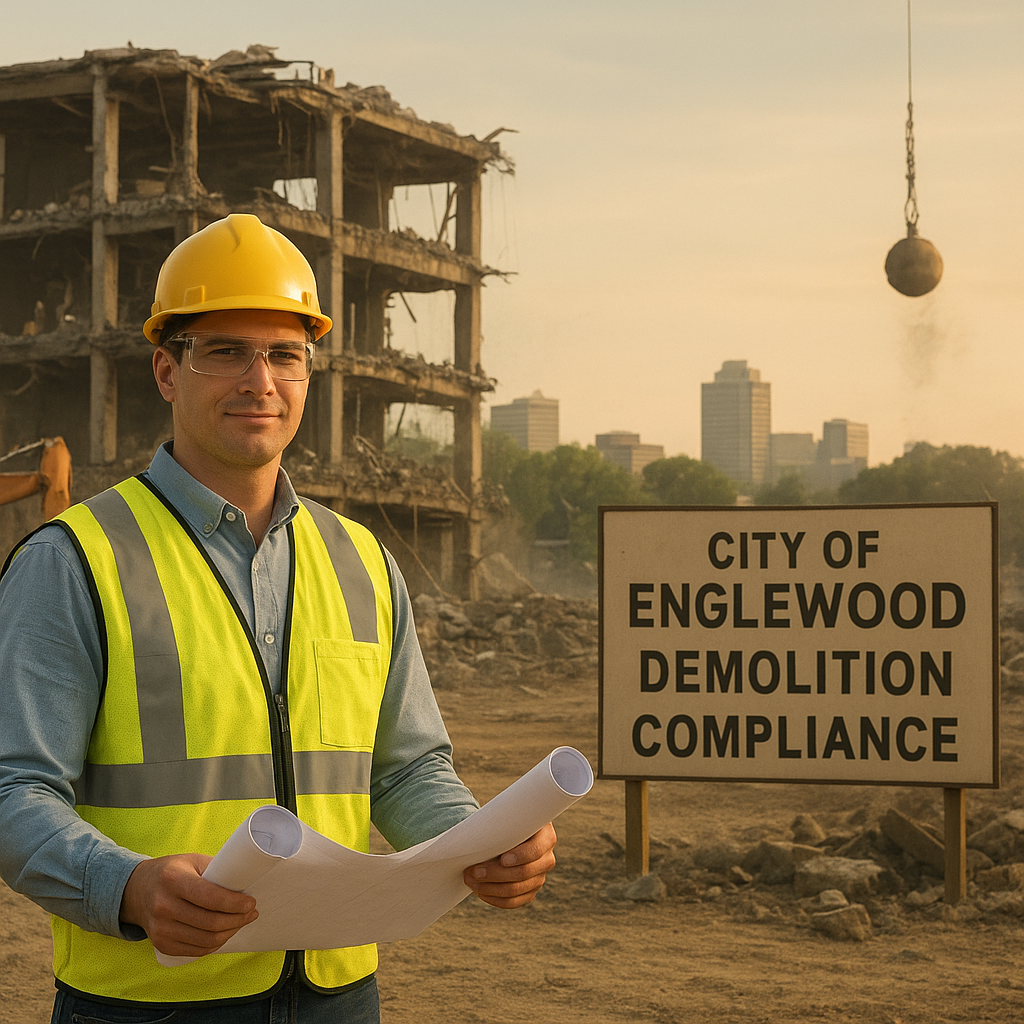
Are you getting ready to tear down an old structure in Englewood, Colorado? Maybe you’re a seasoned demolition contractor bidding on a new project, or a local business owner who needs to clear a site for a fresh build. Either way, there’s one piece of paperwork you simply can’t skip: the Englewood demolition contractor bond.
Don’t let the term intimidate you. Think of this bond as a promise wrapped in a financial safety net. It’s the city’s way of making sure everybody plays by the rules. In this guide, we’ll walk through what the bond is, why it matters, how to get one quickly, and how to stay on the right side of compliance. No legal jargon, no confusing fine print—just straightforward answers.
What Is an Englewood Demolition Contractor Bond?
A demolition contractor bond is a type of surety bond specifically required by the City of Englewood, Colorado. At its core, it’s a three-party agreement that protects the city and its residents. You, the contractor, promise to follow all local codes, regulations, and safety standards when demolishing a building. The surety company backs that promise with a financial guarantee. The city is the third party, receiving that guarantee.
Now, you might be thinking, “Is this an insurance policy for my business?” Not exactly. A bond doesn’t protect you directly. Instead, it protects the public and the city from financial loss if you fail to meet your obligations. It’s more like a security deposit. If something goes wrong—say, debris isn’t cleared properly or a safety violation causes damage—the city can file a claim against the bond. You’ll ultimately be responsible for repaying the surety for any payouts, so keeping your work clean and compliant is always in your best interest.
Why the City of Englewood Requires This Bond
Demolition work carries inherent risks. You’re dealing with heavy machinery, potential hazardous materials, and the structural unknowns of an old building. The City of Englewood wants to minimize those risks for everyone nearby. By requiring a bond, the city ensures that contractors have a strong financial incentive to do the job right the first time.
Here are a few specific reasons Englewood mandates this compliance bond:
- Public Safety: The bond helps guarantee that demolition sites are secure, preventing accidents that could harm pedestrians or neighboring properties.
- Proper Cleanup: After the dust settles, every last bit of scrap, concrete, and hazardous waste must be removed. A bond gives the city leverage to enforce thorough cleanup.
- Code Compliance: Englewood has specific rules about dust control, noise levels, and working hours. The bond reinforces your commitment to follow those codes.
- Financial Protection: If a contractor abandons a project or leaves a mess, the city can tap the bond to cover the cost of fixing the problems. Taxpayers don’t foot the bill.
In short, the bond is about trust. It tells the city, “We take our responsibilities seriously, and we’ve got the backing to prove it.”
Compliance Only: What Does That Mean?
You’ll often see this bond labeled as a “compliance only” bond. That’s an important distinction. Unlike a performance bond that guarantees the entire project will be finished according to the contract, a compliance bond focuses exclusively on following the rules. It won’t pay out simply because you missed a deadline or the property owner is unhappy with the pace. Claims only arise when there’s a clear violation of city ordinances, safety regulations, or environmental standards during the demolition work.
Think of it as a referee on the sidelines. The referee won’t call a foul because a player isn’t fast enough. They’ll only blow the whistle when a rule is broken. Similarly, your compliance bond only activates if you step outside the boundaries of Englewood’s demolition requirements.
Who Needs to Obtain This Bond?
Any contractor performing demolition work within the City of Englewood, Colorado, must secure this bond before starting the job. It doesn’t matter if you’re a large commercial operation razing a warehouse or a small crew taking down a residential garage. The bonding requirement applies across the board.
If you’re a subcontractor hired by a general contractor, check your contract carefully. Often, the primary contractor holds the bond and covers all subcontractors under that umbrella. But if you’re working directly for a property owner or acting as the prime contractor, the responsibility falls squarely on your shoulders. When in doubt, call the Englewood building department. They’ll clarify whether you need your own bond or if you’re covered under someone else’s.
How the Bond Works in Everyday Situations
Let’s make this real. Imagine you’re hired to demolish a century-old farmhouse that’s been converted into a duplex. You obtain the necessary permits, secure the bond, and get to work. Halfway through the project, a neighbor complains that falling debris damaged their fence, and dust is coating their garden. They notify the city.
A city inspector visits the site and confirms that you failed to erect proper barriers and didn’t control airborne dust as required by local codes. The city issues a notice of violation. You quickly fix the issues, repair the fence, and clean the garden. Because you responded promptly, no claim is ever filed against your bond. Your compliance record stays spotless.
Now imagine a different scenario. You ignore the violation, leave the mess, and walk off the job. The city then files a claim against your bond to cover the cost of another contractor completing the cleanup and repairs. The surety company investigates, validates the claim, and pays the city up to the bond’s full amount. Then, the surety comes to you for reimbursement. It’s essential to remember: bonds are not a get-out-of-jail-free card. They’re a financial tool that holds you accountable.
How Much Does an Englewood Demolition Bond Cost?
One of the most common questions we hear is, “What’s the price tag?” The good news is that you don’t pay the full bond amount. Instead, you pay a premium—a small percentage of the total bond value. For the City of Englewood demolition contractor bond, the required amount is typically set by the city, often in the range of $10,000 to $25,000, though you’ll want to verify the exact figure for your specific project.
Your premium depends on factors like:
- Personal Credit Score: Higher scores usually unlock lower rates. For many contractors, premiums range from 1% to 5% of the bond amount.
- Business Financials: The surety company may review your company’s stability, experience, and track record.
- Bond Amount: A larger bond naturally carries a slightly higher premium, though the rate itself might be similar.
If your credit is less than perfect, don’t panic. Many surety providers offer programs for all credit levels. You might pay a slightly higher premium, but you can still get bonded and get to work. For a $10,000 bond, a contractor with good credit might pay as little as $100 per year. That’s a small investment for the peace of mind and professional credibility it brings.
Steps to Secure Your Bond Quickly
Getting your Englewood demolition contractor bond doesn’t have to be a headache. The process is typically straightforward and can often be completed online in a matter of hours.
Here’s a simple roadmap:
- Determine Your Required Bond Amount: Contact the City of Englewood’s building division or check your permit requirements. They’ll tell you the exact bond amount you need to furnish.
- Apply with a Reputable Surety Company: You’ll provide basic information about your business and possibly your personal credit history. A quick online application is usually all it takes.
- Receive Your Quote: The surety company evaluates your application and gives you a premium quote. You can compare rates if you shop around, but many contractors find a trusted provider and stick with them.
- Pay the Premium and Get Your Bond: Once you pay, you’ll receive the official bond document. You’ll sign it as the principal, and the surety company will seal it.
- File the Bond with the City: Submit the executed bond to the Englewood building department along with your other permit documents. Keep a copy for your records.
That’s it. With your bond in place, you’re legally cleared to start demolition work.
Smart Tips for Staying Compliant and Avoiding Claims
A claim on your bond can raise your costs, damage your reputation, and make it harder to get bonded in the future. Avoiding issues is always the best strategy. Here’s how to keep your record clean:
- Know the Local Codes Cold: Spend time reviewing Englewood’s demolition ordinances. Pay attention to dust mitigation, noise restrictions, and hours of operation.
- Secure All Permits First: Never lift a sledgehammer or start an excavator until every permit is in hand. Missing paperwork is an easy way to get on the city’s radar for the wrong reasons.
- Communicate with Neighbors: A friendly heads-up can prevent nuisance complaints. Post a sign with your contact information so people can reach you directly instead of calling the city.
- Document Everything: Take before, during, and after photos. Keep a log of safety inspections. If a dispute arises, solid documentation is your best defense.
- Work with Reputable Subcontractors: If you hire subs, make sure they understand your compliance obligations. You’re ultimately responsible for their actions under your bond.
Think of your bond as a professional badge of honor. Carrying it shows you’re serious about your work. Protecting that badge means protecting your business.
What Happens if a Claim Is Filed Anyway?
Even the most diligent contractor can face a claim. If the city believes you’ve violated a regulation and haven’t corrected it, they’ll notify the surety company. The surety will investigate, often asking for your side of the story. If the claim is valid, the surety pays the city up to the bond’s penalty amount.
Here’s the crucial part you must remember: the surety paying the claim is not the end of the story. You are legally obligated to repay every cent the surety spends on your behalf. It’s essentially a zero-interest loan from the surety to you. Failing to repay can lead to legal action and the ruin of your credit and bonding capacity. So, addressing any violation immediately is always cheaper and easier than dealing with a bond claim.
Frequently Asked Questions About Englewood Demolition Bonds
Is the bond the same as insurance for my demolition business?
No. Insurance protects your business from accidents, injuries, or property damage. A bond protects the city and the public from your failure to follow regulations. You need both, but they serve completely different purposes.
How long does a demolition bond last?
The bond term usually aligns with the project duration or the permit’s validity, often one year. You may need to renew the bond if the project extends beyond the initial term. Always check the expiration date and plan accordingly.
Can I use the same bond for multiple projects in Englewood?
Typically, no. Most demolition bonds are project-specific and linked to a particular permit. For each new demolition job, you’ll likely need a separate bond. However, some contractors may qualify for a blanket bond covering multiple projects over a set period—ask the city or a surety professional if this is an option for you.
What if I have bad credit? Can I still get bonded?
Yes. Many surety companies offer programs for contractors with less-than-perfect credit. Your premium might be higher, but obtaining a bond is still possible. Some providers specialize in working with small businesses and startups. Be upfront about your situation to find the best fit.
Your Next Step Toward a Successful Demolition Project
The Englewood demolition contractor bond isn’t another bureaucratic hoop to dread. It’s a straightforward way to show you respect the community, take safety seriously, and are ready to deliver a professional result. By understanding the bond’s purpose, keeping costs low, and embracing compliance, you set yourself up for a smoother project from day one.
Ready to get bonded? Gather your project details, reach out to a trusted surety bond provider, and secure your bond in a few easy clicks. Then, grab your hard hat and get ready to clear the way for something new—the right way.