Nebraska requires waste tire haulers to obtain a performance bond backed by a surety, guaranteeing compliance with state collection, transport, and disposal rules. This bond protects the state and public from cleanup costs or fines if haulers violate regulations, ensuring only serious operators participate in the industry.
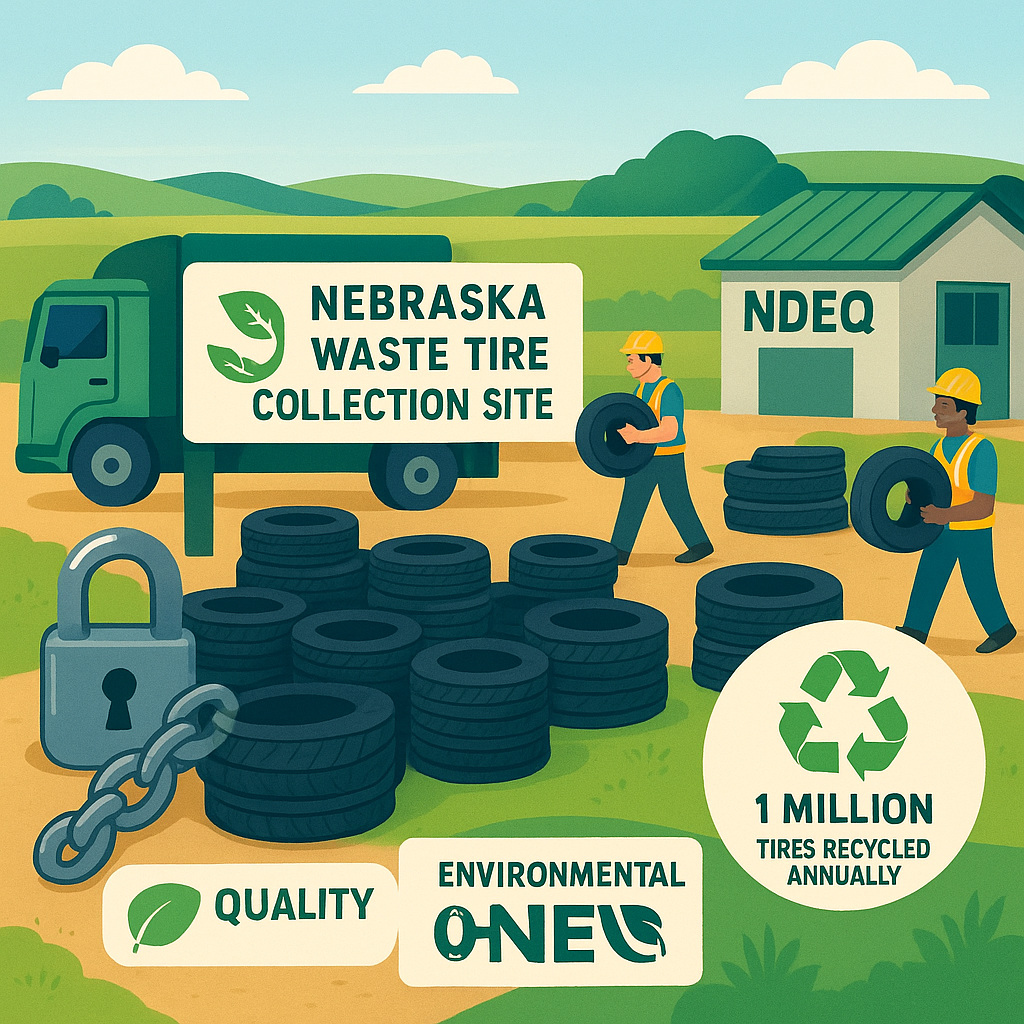
Have you ever wondered what happens to those giant piles of old tires behind a repair shop or a tire dealer? They can’t just sit there forever. In Nebraska, there’s a whole system to make sure scrap tires get moved safely and don’t become an environmental headache. If you’re planning to haul waste tires for a living, you’ll quickly run into a key requirement: the Nebraska Waste Tire Hauler Performance Bond. It sounds like a mouthful, but think of it as a financial promise that keeps everyone honest and the landscape clean.
What Exactly Is a Waste Tire Hauler Performance Bond?
Let’s break it down without the legal jargon. A performance bond is a three-party agreement. You, the hauler, are the principal. The Nebraska Department of Environmental Quality (NDEQ) is the obligee – the agency that requires the bond. The third party is the surety, an insurance company that backs your promise. The bond guarantees that you’ll follow all state rules for collecting, transporting, and disposing of scrap tires. If you don’t, the bond steps in to cover cleanup costs or fines. It’s not insurance for you; it’s protection for the state and the public.
Imagine you’re lending your truck to a friend. You’d probably ask for a small deposit to make sure they bring it back in one piece. That’s essentially what the NDEQ does with this bond. They’re “lending” you the right to haul waste tires, and the bond is your deposit, guaranteeing you’ll play by the rules.
Why the Department of Environmental Quality Cares So Much
Scrap tires are more than an eyesore. When they pile up illegally, they become a breeding ground for mosquitoes, a fire hazard that’s almost impossible to put out, and a source of toxic smoke. The NE Department of Environmental Quality (NDEQ) oversees waste tire programs to prevent these dangers. The performance bond is one of their sharpest tools. It quickly separates serious, professional haulers from those who might be tempted to cut corners and dump tires in a ditch to save a buck.
Without this requirement, a hauler could collect hundreds of tires, cash the check, and then disappear, leaving the property owner or a local government with a mountainous mess and a huge bill. The bond ensures there’s money set aside to fix that mess, keeping costs off the taxpayer’s shoulders.
Who Needs This Bond in Nebraska?
Not every truck carrying a single old tire needs one. This requirement kicks in when you’re operating as a waste tire hauler for hire. If you regularly transport more than a certain number of tires, you’ll need to register with the NDEQ and secure a bond. A scrap tire collection site might also have bonding requirements, but for the person behind the wheel, this bond is their license to operate.
You typically need a Nebraska Waste Tire Hauler Performance Bond if you:
- Pick up scrap tires from retail stores, auto shops, or manufacturers.
- Deliver tires to processing facilities, landfills, or approved collection sites.
- Bid on government cleanup contracts that involve tire removal.
If you’re just hauling your own tires to the dump once a year, relax. This bond is meant for the pros who make a business out of it.
A Quick Look at the Required Bond Amount
The NDEQ sets the bond amount based on the scope of your operation. A common figure for many haulers is a $10,000 performance bond, but this can vary. The exact dollar amount will be spelled out in your registration approval from the department. They look at how many vehicles you run and the volume of tires you plan to move. It’s not a guessing game – the NDEQ tells you exactly what they need.
How the Bond Really Works (It’s Simpler Than You Think)
Let’s walk through a practical example. Suppose you own a small fleet, “Nebraska Tire Transport.” You get your $10,000 bond, which costs you a fraction of that amount. One day, one of your drivers decides to skip the long line at the scrap tire collection site and dumps a load of 500 tires down a rural embankment. A county inspector finds the mess, traces it back to you, and reports the violation to the NDEQ.
Here’s what happens next:
- The NDEQ investigates and confirms you violated state regulations.
- They can file a claim against your $10,000 bond.
- The surety company pays to have the tires cleaned up, up to the full bond amount.
- Here’s the kicker: the surety then comes to you for every penny they paid out. This is called indemnification. You haven’t dodged a bill; you’ve just ensured the cleanup happens fast.
This protects the environment immediately while making sure the responsible hauler faces the financial music. It’s a powerful motivator to keep your trucks pointed in the right direction.
Stepping Into the Hauler’s Shoes: The Cost Breakdown
When you hear “$10,000 bond,” your first thought might be that you need to have ten grand in cash locked away. Not true! You pay an annual premium to the surety company. For a well-qualified hauler with a decent credit score, that premium is typically 1% to 5% of the total bond amount. So, a $10,000 bond might only set you back $100 to $500 per year.
Your exact rate depends on a few personal factors:
- Credit score: The strongest factor. A high score means a low rate.
- Business experience: A solid track record in waste hauling helps.
- Financial health: The surety may look at business financials for larger bonds.
Even with a few credit bumps, you can usually find a program that works. The cost is a manageable entry ticket, not a barricade.
Securing Your Bond: A Step-by-Step Guide
You don’t need a law degree to get this done. The process is pretty streamlined.
1. Get the Green Light from the NDEQ
Before you even buy the bond, you’ll need to apply for a waste tire hauler permit through the Nebraska Department of Environmental Quality. They will review your business plan and tell you the exact bond amount and form they require. Never buy a bond first; you might get the wrong type or amount.
2. Apply Through a Trusted Bond Agency
You rarely go directly to a massive surety company. Instead, work with a specialized bond agency that has access to multiple markets. You’ll fill out a short application, give consent for a credit check, and share some basic business details. It’s similar to applying for a small loan.
3. Pay the Premium and Receive Your Documents
Once approved, you pay the annual premium. The agency then issues the actual bond form. You’ll usually receive a PDF right away and the original in the mail. One copy goes to you, and one with the power of attorney gets filed with your NDEQ application.
4. Keep It Active
These bonds typically renew yearly. Mark your calendar, because if your bond lapses, your hauler permit gets suspended. You wouldn’t want a citation for a job you could have easily kept doing with a simple renewal.
Common Stumbles and How to Sidestep Them
Many new haulers hit the same potholes. Let’s help you steer clear.
Mistake #1: Thinking all tire hauling is the same. Hauling old tires to a bonfire is illegal. You must only deliver tires to permitted facilities. Your bond hinges on this lawful behavior.
Mistake #2: Confusing the bond with liability insurance. Insurance protects your truck if you crash. The bond protects the NDEQ if you dump. You’ll need both. They are not interchangeable.
Mistake #3: Underestimating paperwork at a scrap tire collection site. A big part of compliance is keeping accurate manifests. You need to document where every tire came from and where it went. Without those records, you can’t prove you didn’t dump them, and a bond claim gets much easier for the state to win.
Why This Little Document Builds a Big Business
On the surface, the Nebraska Waste Tire Hauler Performance Bond feels like another government hoop. But flip that perspective. Holding this bond tells your customers something powerful: “I’m bonded, insured, and fully compliant with the state of Nebraska.” For a tire shop owner choosing between two haulers, the one who can hand over a current bond certificate wins the trust, and the contract.
It moves you from a guy with a trailer to a legitimate, professional operation that scrap tire collection sites and major generators of waste tires can rely on without worry. In a business where reputation is everything, a bond is a badge of honor.
So, whether you’re launching a new green business or expanding an existing trucking service into the waste tire world, don’t dread the bond requirement. Embrace it as your partner in building a safe, clean, and profitable hauling future in the Cornhusker State. Get your paperwork in order, find a great bond agent, and hit the road knowing you’ve made a promise to protect the land we all share.