Utah liquor warehousing bonds are surety bonds required by the state’s Department of Alcoholic Beverage Control to ensure warehouses comply with strict alcohol laws and tax obligations. These bonds act as a financial safety net, protecting the state and public from violations such as tax evasion or product mishandling, with the business fully responsible for any claims paid out.
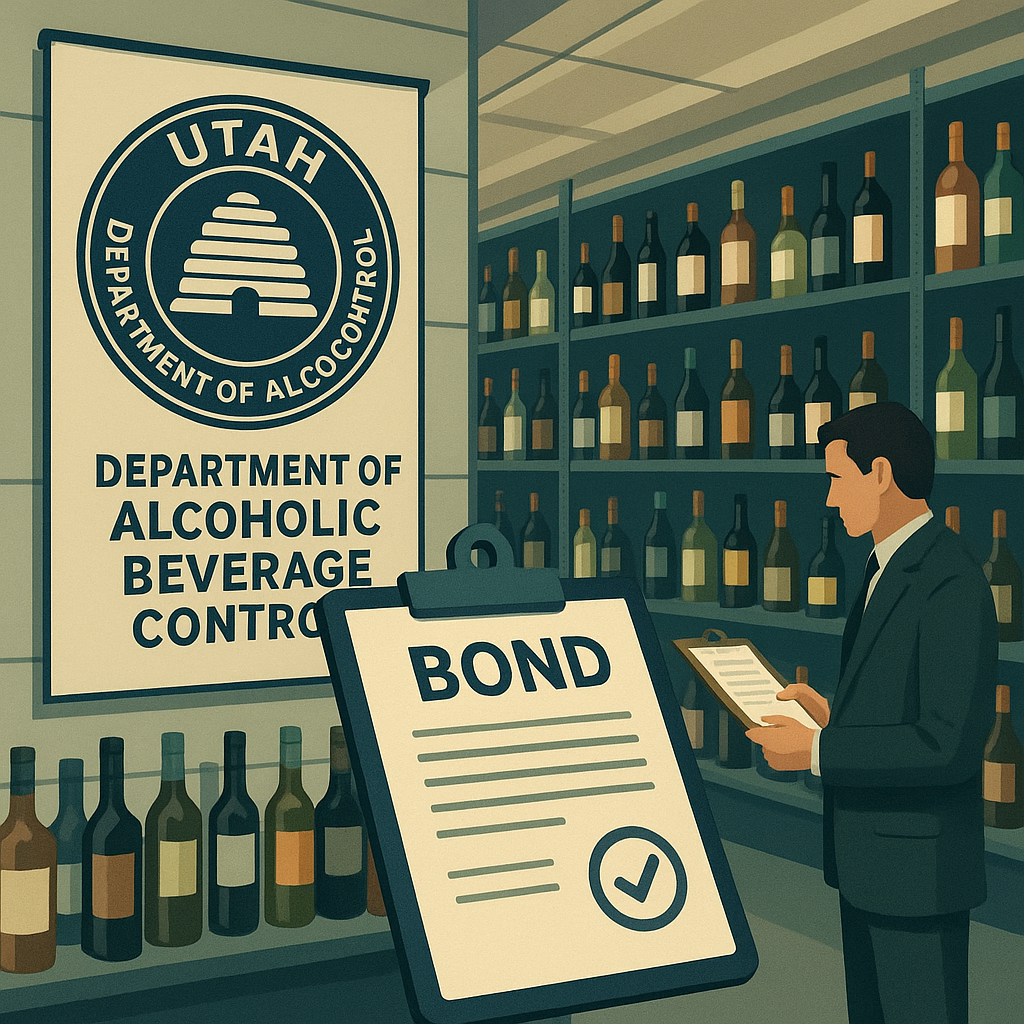
Are you dipping your toes into the liquor distribution or storage industry in the Beehive State? Maybe you’ve heard the phrase “Utah liquor warehousing bond” tossed around and felt a little lost. Don’t worry—you’re not alone. These bonds can feel like a confusing tangle of rules and paperwork. But here’s the good news: understanding this requirement doesn’t have to be a headache. Think of it as the state’s handshake agreement that says, “We trust you to do business the right way.”
In this guide, we’ll walk through everything you need to know about the UT Department of Alcoholic Beverage Control liquor warehousing bond in plain, everyday language. No legal jargon, no dense paragraphs that make your eyes glaze over. Just straightforward answers that help you move forward with confidence.
What Is a Utah Liquor Warehousing Bond, Anyway?
Let’s start with the simplest building block. A Utah liquor warehousing bond is a type of surety bond required by the Utah Department of Alcoholic Beverage Control. It’s not insurance for your warehouse. Instead, it’s a three-party promise involving your business (the principal), the state agency (the obligee), and a surety company (the guarantor).
Here’s a relatable analogy. Imagine renting an apartment. Your landlord asks for a security deposit. That deposit isn’t meant to fill the landlord’s pockets—it’s there just in case you damage the property or skip out on rent without paying. The liquor warehousing bond works the same way. It acts as a financial safety net that protects the state and the public if your warehouse doesn’t follow the rules.
If your business fails to pay required taxes, mishandles alcoholic beverages, or violates state liquor laws, a claim can be filed against your bond. The surety company would pay out, but then you’d be responsible for repaying every penny. So it’s not a free pass—it’s accountability made official.
Why Does the Utah Department of Alcoholic Beverage Control Require This Bond?
You might wonder, why does a liquor warehouse even need a bond? Utah tightly controls the sale and distribution of alcohol. The Utah Department of Alcoholic Beverage Control oversees the entire process, from the point of import to the moment a bottle reaches a state store or a licensed restaurant. Warehouses are critical links in that chain. A bonded warehouse guarantees that operators stick to the strict laws designed to prevent tax evasion, illegal diversion of products, or inventory tampering.
Think about the potential for things to go wrong without this safeguard. A warehouse could underreport the volume of alcohol moving through its doors, bypassing substantial state taxes. Or products could disappear from inventory without proper documentation, feeding an underground market. The bond puts your money where your mouth is. It tells the state, “We’re running a clean, transparent operation, and we’re willing to back that up financially.”
Regulatory bonds like this are common in industries that handle sensitive products—everything from motor fuel to precious metals. For a liquor warehouse in Utah, it’s just part of the cost of doing business legally.
A Quick Look at Who’s Involved
Before we go deeper, here’s a breakdown of the three key players, because knowing who does what makes the whole concept click.
- The Principal: You—the warehouse business obtaining the bond.
- The Obligee: The Utah Department of Alcoholic Beverage Control, which requires the bond as a condition of licensing.
- The Surety: The insurance-like company that issues the bond and guarantees payment if a valid claim arises.
When all three parts work together smoothly, your business stays compliant, and the public remains protected.
Who Needs a Utah Liquor Warehousing Bond?
Not every business that touches a bottle of wine or a can of beer needs this bond. The requirement specifically targets those who operate a liquor warehouse under the jurisdiction of the UT Department of Alcoholic Beverage Control. If your facility stores, handles, or distributes alcoholic beverages on a large scale before they hit the retail shelf, you likely fall under this umbrella.
Picture a bustling facility near Salt Lake City where pallets of spirits sit in a temperature-controlled environment, waiting to be shipped to state liquor stores. That’s the classic scenario. A smaller self-distribution setup or a restaurant that simply stores its own inventory in a back room typically doesn’t need a liquor warehousing bond. The rule is tied to the license and the scale of operations.
If you’re unsure, the best move is to reach out directly to the Utah Department of Alcoholic Beverage Control or review your licensing paperwork. They’ll spell out exactly what bond amount you need. Getting this wrong can delay your license, so it’s worth a five-minute phone call.
How Much Does a Liquor Warehousing Bond Cost?
Here’s where a lot of folks breathe a sigh of relief. You don’t pay the full bond amount upfront. The total bond amount—sometimes called the penal sum—is set by the state. But you only pay a small fraction of that, known as the premium.
For example, if the state requires a $100,000 Utah liquor warehousing bond, you’re not wiring a hundred grand to the surety company. Instead, your premium might range from 1% to 5% of that total, depending on your personal credit, business financials, and the surety’s underwriting guidelines. A business owner with strong credit could pay just $1,000 to $3,000 for a year of coverage.
What drives the premium number? The surety company looks at risk. They’ll check your credit score, sometimes review business statements, and assess your experience in liquor logistics. A higher credit score generally means a lower rate. If your credit is less than perfect, you can still get bonded, but the premium might inch a little higher. Even then, it’s entirely manageable for most warehouse operators.
Typical Bond Amounts and What They Mean
Bond amounts for a liquor warehouse in Utah can vary. The state often sets the requirement based on the volume of alcohol you handle or the nature of your operations. Amounts commonly land anywhere from $10,000 to $100,000 or more. Always double-check your official notice from the UT Department of Alcoholic Beverage Control. An incorrect bond amount can cause a rejected application.
Keep in mind that the bond amount is not your out-of-pocket cost. It’s the maximum that could potentially be paid out if everything goes sideways. Your premium stays the same regardless of whether a claim occurs, as long as you renew on time.
How to Get Your Bond in a Few Easy Steps
Does the process seem intimidating? It’s actually much smoother than you might think. Here’s a simple roadmap to securing your Utah liquor warehousing bond without breaking a sweat.
Step 1: Confirm your required bond amount. Check your license application or any correspondence from the Utah Department of Alcoholic Beverage Control. You need to know the exact figure before requesting a quote.
Step 2: Gather basic information. Have your business name, address, and contact details ready. If you’re a sole proprietor, your personal information will do. For larger entities, collect the company’s tax ID and ownership details.
Step 3: Request a free quote from a surety bond provider. Many agencies specialize in liquor bonds. You can often fill out a quick online application that takes less than ten minutes. Provide a few details and let them do the heavy lifting.
Step 4: Review and pay your premium. Once approved, you’ll receive a rate. Pay the premium, and the surety company will issue your bond. You’ll get the official bond document, usually in digital format for speedy filing.
Step 5: File the bond with the state. Send the bond to the UT Department of Alcoholic Beverage Control however they instruct. Often, you’ll upload it alongside the rest of your licensing materials. Once accepted, your bond is active.
Could this really be done in a single afternoon? Absolutely. Many warehouse owners handle it within hours, not days.
Keeping Your Bond in Good Standing
Getting the bond is only the first step. To keep your Utah liquor warehousing bond working for you, you’ll need to stay compliant. A few simple habits go a long way.
- Renew before expiration. Bonds typically have a one-year term. Set a reminder three months before your renewal date. If the bond lapses, your warehouse license could be suspended.
- Maintain open communication with your surety. If your business structure changes or your warehouse operations shift dramatically, give them a heads-up. Transparency keeps your rates stable and prevents surprises.
- Follow every UT Department of Alcoholic Beverage Control regulation. That means accurate record-keeping, timely tax payments, and proper handling of all alcohol inventory. A single claim can spike your future premiums and damage your relationship with regulators.
Think of your bond as a living part of your business license. It’s not a one-and-done task. When you treat it that way, it protects you just as much as it protects the state.
What Happens If a Claim Is Filed?
This is the part nobody wants to think about, but we should. A claim against your liquor warehousing bond means someone—usually the state—believes you’ve violated the rules and caused financial harm. The surety will investigate. If the claim is valid, they’ll pay out up to the full bond amount to make things right. Then, they’ll turn to you for full reimbursement plus any legal costs.
Avoiding claims is entirely within your control. Most claims arise from simple but costly mistakes, like forgetting to remit tax payments or failing to document a transfer of product. Double-check your internal processes, use reliable inventory software, and consider hiring a compliance consultant if liquor laws feel overwhelming. Preventing a claim is infinitely cheaper than cleaning one up.
Common Misconceptions About Liquor Bonds
Let’s clear up a few myths so you’re heading into this with clear eyes.
- “The bond protects my warehouse from damage.” Nope. It protects the state and consumers from your potential mistakes. For your own property, you need a standard business insurance policy.
- “Once I buy a bond, I never have to think about it again.” Not true. You must renew it regularly and stay compliant, or the bond becomes useless.
- “Only huge companies need this bond.” Small and midsize liquor warehouses also fall under the requirement if their license type demands it. Size alone doesn’t determine the need.
Separating fact from fiction helps you avoid gaps in coverage that could jeopardize your license.
How the Bond Fits Into Your Bigger Business Picture
Stepping back, a Utah liquor warehousing bond is really a mark of professionalism. It tells your partners, your customers, and the authorities that you’re serious about doing things by the book. In a heavily regulated industry, that reputation matters. It can open doors with distributors who prefer to work with fully bonded warehouses. It can even speed up the licensing process because you’ve already dotted one major “i”.
If you’re mapping out your next business move—maybe expanding your space or taking on new alcohol categories—factor the bond into your timeline and budget. The cost is minimal compared to the potential revenue of a legally compliant liquor storage operation. Many warehouse owners see it as just another utility, like electricity or insurance. It’s a necessary investment that keeps the lights on and the doors open.
Frequently Asked Questions (Because You’ve Probably Thought of These)
Can I get a bond with bad credit?
Yes. While excellent credit gets you the best rates, sureties offer programs for individuals with lower scores. You might pay a slightly higher premium, but you won’t be shut out. Some companies even specialize in “high-risk” bonds for liquor-related businesses.
How long does a liquor warehousing bond last?
Most bonds are issued for a one-year term and must be renewed annually. Continuous bonds—where the coverage automatically extends until canceled—are less common but exist. Always check your bond form to know which one you have.
Does the bond cover only state taxes?
No, it’s broader than that. The bond guarantees compliance with the entire set of regulations enforced by the Utah Department of Alcoholic Beverage Control. That includes tax obligations, yes, but also proper handling, storage, and distribution practices.
Is a warehouse bond the same as a liquor license bond?
They’re closely related but not always identical. A liquor license bond might apply to a retailer or a manufacturer. The warehousing bond is specifically for storage facilities. Your licensing authority will tell you exactly which bond type you need.
Your Next Steps Toward Bonded Success
You came here probably feeling a bit overwhelmed by technical terms and state websites. Hopefully, you’re leaving with a clear head and a solid plan. The Utah liquor warehousing bond doesn’t need to be a roadblock. When you break it down, it’s simply a way to prove your trustworthiness and secure your place in Utah’s alcohol distribution chain.
Take fifteen minutes today to verify your required bond amount with the UT Department of Alcoholic Beverage Control. Then, reach out to a reputable surety bond provider. Compare quotes, ask questions, and get your bond in hand. Before you know it, you’ll have one less box to check and one more reason to feel confident about the future of your liquor warehouse business. Cheers to navigating that path with clarity and ease!