Denver requires structural contractors to secure a surety bond before performing right-of-way work, such as sidewalk, curb, and retaining wall projects, to ensure compliance with city codes and protect taxpayers from repair costs. This financial guarantee holds contractors accountable for restoring public spaces to safe standards long after the job is complete.
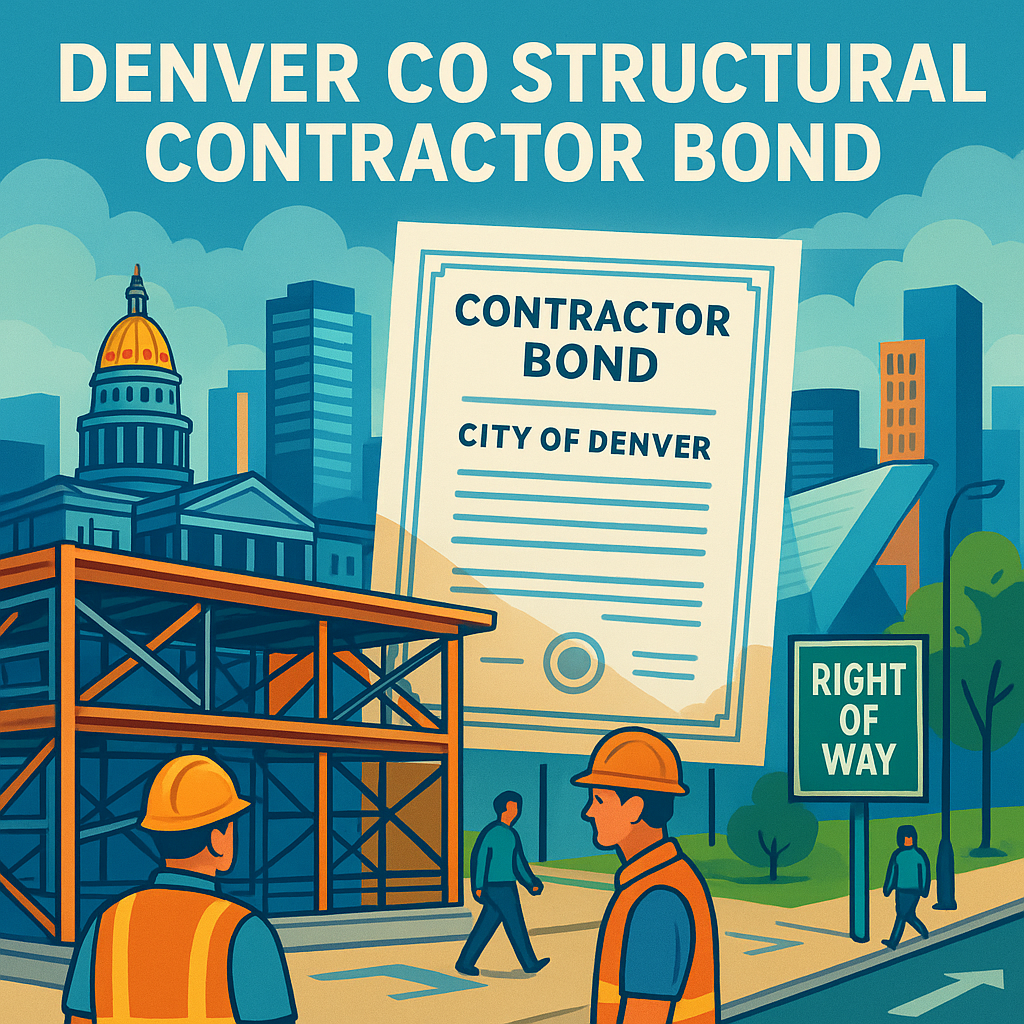
If you’ve ever driven through a Denver neighborhood and spotted a crew digging up a sidewalk or repairing a retaining wall near the street, you’ve seen right-of-way work in action. It’s the kind of project that keeps our city safe and functional. But behind those orange cones, there’s a layer of paperwork and protection that most people never see — and it all starts with a specific financial guarantee called the Denver structural contractor bond. Whether you’re a seasoned contractor or just starting to bid on public-facing jobs, understanding this requirement can save you from costly delays and legal hiccups.
What Is a Denver Structural Contractor Bond?
Picture a security deposit you’d put down when renting an apartment. The landlord holds it to make sure you don’t damage the place. A structural contractor bond works in a similar way, but instead of protecting a single landlord, it protects the City and County of Denver — and by extension, every resident who uses public spaces. This bond is a legally binding promise: you, the contractor, will follow all local codes, obtain the right permits, and complete right-of-way work correctly. If something goes wrong, the city can tap into the bond to cover repairs or fines.
In more formal terms, it’s a surety bond. Three parties are involved: the contractor (you), the city (the obligee), and the surety company that provides the financial backing. The City of Denver requires this bond specifically for projects that affect the public right-of-way. That includes sidewalks, curbs, gutters, driveways that cross public walkways, retaining walls near streets, and even some landscaping changes that could impact drainage along a road.
Why Does Denver Require This Bond for Right-of-Way Work?
Denver’s streets, alleys, and sidewalks belong to everyone. When a contractor digs into that space, the city wants to be absolutely certain the job will be restored to safe, durable standards. Nobody wants a wobbly sidewalk slab or a poorly compacted trench six months after the crew packs up. By requiring a bond, the City and County of Denver creates a financial safety net. It holds contractors accountable long after the final invoice is paid, and it shifts the risk away from taxpayers.
Think of it this way: the right-of-way is the city’s front porch. If a guest damages it, the host expects them to fix it. The bond is like holding the guest’s credit card number — reassurance that the repair will happen without a fuss.
Who Needs a Structural Contractor Bond in Denver?
Not every construction job in the Mile High City demands this bond. You’ll need it if your work involves cutting into, excavating, or altering any public right-of-way. Common examples include:
- Installing or repairing sidewalks, driveways, and curbs that connect to city streets.
- Building retaining walls within the public right-of-way or immediately adjacent to it.
- Trenching for utility lines that run under roads or sidewalks.
- Grading or drainage projects that affect street-side swales or alleys.
- Permanent or temporary structures that encroach on public land, even for signage or fencing.
If you’re a Denver CO structural contractor who frequently handles these tasks, the bond isn’t optional — it’s a prerequisite for pulling the necessary right-of-way permits. The Public Works Department checks for an active bond before approving your application. Without it, your project stops before it starts.
How the Right-of-Way Bond Protects Everyone
It’s easy to see bonds as just another bureaucratic hoop to jump through. But once you understand the layers of protection, they start to look like a smart partnership. Here’s who benefits:
For the City of Denver: The bond guarantees that construction meets the city’s engineering standards. If a contractor abandons a project or does shoddy work, the city can file a claim. This means the public purse isn’t on the hook for fixing someone else’s mistakes.
For Residents and Business Owners: Imagine a restaurant with a beautiful new patio. Six months later, the adjacent sidewalk starts to sink because the contractor didn’t compact the base properly. The bond gives the city the resources to step in, hire a different crew, and fix the hazard without charging the restaurant owner or the neighbors.
For Honest Contractors: Being bonded sets you apart. It signals to clients and municipal reviewers that you’re credible, financially stable, and serious about compliance. In a competitive market like Denver, that trust can win you more contracts.
How Much Does the Bond Cost?
Here’s where many contractors breathe a sigh of relief. The bond’s total value — often called the penal sum — is set by the city, and it typically starts at $10,000 for smaller right-of-way jobs. But you don’t pay that full amount upfront. Instead, you pay a small percentage, known as the bond premium. That premium depends on your credit score, business history, and the exact bond amount required. Most contractors with decent credit pay somewhere between 1% and 5% annually.
For example, if the city requires a $15,000 structural contractor bond, your premium might be just $150 to $750 per year. That’s a modest price for the ability to legally perform right-of-way work across the City and County of Denver. Keep in mind that larger or more complex projects — like major utility installations — may require higher bond amounts. Always confirm the current requirements with the Denver Department of Transportation and Infrastructure (DOTI) before purchasing a bond.
Steps to Get Your Structural Contractor Bond in Denver
Navigating the bonding process feels intimidating the first time, but breaking it down makes it manageable.
1. Confirm Your Project’s Bond Requirements
Visit the DOTI website or call the Right-of-Way Services office. They’ll tell you exactly which bond form you need, the penal sum, and any special endorsements the city requires. Don’t guess — outdated bond forms get rejected.
2. Gather Your Business Information
A surety bond provider will ask for your company name, legal structure, years in business, and tax ID. You’ll also need to share personal credit information because the bond is partially based on your personal financial trustworthiness.
3. Request a Quote from a Licensed Surety Agency
You can work with an agency that specializes in contractor bonds. They’ll shop your application to multiple surety companies. Compare quotes, but also pay attention to the agency’s familiarity with Denver’s unique right-of-way requirements. An agent who knows the local landscape can save you days of paperwork hassle.
4. Pay the Premium and Receive Your Bond
Once you accept a quote, pay the annual premium. The agency will issue the official bond document, usually the same day. Some even send a digital copy directly to the city if you authorize it.
5. File the Bond with the City
Submit the bond alongside your right-of-way permit application. The city’s reviewer will check that the bond is active and matches their database. Keep a copy for your records; you’ll need to renew the bond each year as long as you perform public right-of-way work.
Common Questions About Denver Right-of-Way Bonds
Can I use one bond for multiple projects? Yes, often. Denver may issue a “blanket” bond that covers all your right-of-way jobs within a specific period, rather than requiring a new bond for each permit. Check with DOTI about the blanket bond option if you handle frequent small jobs.
What happens if a claim is filed against my bond? A claim means the city alleges you didn’t meet the required standards. The surety company investigates. If the claim is valid, the surety pays the city up to the bond penalty, then comes to you for reimbursement. This is why bonds aren’t insurance for you — they’re a guarantee for the city, and you’re ultimately responsible for any payout.
Does my general liability insurance cover the same thing? Not typically. Insurance protects you against accidents and unforeseen damage. The structural contractor bond specifically guarantees your compliance with Denver’s right-of-way codes and ordinances. They serve different purposes, and you’ll usually need both.
How long does the bond last? Most Denver structural contractor bonds are issued for a one-year term. You’ll renew annually. Mark your calendar — letting a bond lapse can freeze your permit approvals and trigger penalties.
Avoiding Pitfalls and Building a Solid Reputation
Imagine bidding on a lucrative sidewalk replacement job in the Baker neighborhood. You’ve got the crew, the equipment, and the experience. But on the day you apply for the right-of-way permit, the city clerk tells you your bond expired two weeks ago. Suddenly, the start date pushes out, your client gets frustrated, and you risk losing the contract. That’s a real-world scenario that plays out more often than you’d think. Staying organized with your bond renewal not only keeps you legal — it protects your income stream.
Beyond the paperwork, think of the bond as a badge of professionalism. The City and County of Denver values contractors who respect public spaces. When you’re bonded, you’re telling the community, “I stand behind my work, and I’ll make it right if something goes wrong.” That message resonates with homeowners, business owners, and city inspectors alike.
Making Bond Compliance Part of Your Business Routine
Set a simple reminder system. Use a digital calendar with alerts 30 and 60 days before your bond expires. Keep a file — physical or cloud-based — that contains your bond form, the city’s right-of-way standards, and the contact information for your surety agent. When you train new project managers, include a ten-minute overview of why the Denver right-of-way bond exists and how to check its status. Small habits prevent big headaches.
Also, stay updated. Cities occasionally revise their requirements. Bookmark the DOTI right-of-way permits page and glance at it quarterly. Changes to bond amounts, acceptable surety companies, or filing procedures can happen with little fanfare. Being proactive keeps you ahead of competitors who only scramble when a permit gets denied.
The Bottom Line on Denver Structural Contractor Bonds
At first glance, a bond might seem like just another line item on your business overhead. But in reality, it’s a collaborative tool that makes public-private construction projects run smoothly. The City and County of Denver trusts you to work in shared spaces; the bond backs up that trust with a concrete promise. When you understand how the process works, you can focus on what you do best — building quality structures that keep Denver moving forward, one sidewalk and retaining wall at a time.
So next time you lay out a right-of-way project budget, include the bond premium as a non-negotiable line item. Treat it as an investment in your company’s legitimacy, a shield for the community, and a key that unlocks some of the most rewarding jobs in the Denver construction market.