A Pueblo CO contractor bond, especially the Right of Way bond, guarantees that contractors working on public property follow city codes and cover any damages, protecting taxpayers from costly repairs. This bond is essential for trades like excavators and HVAC specialists to secure permits and demonstrate credibility.
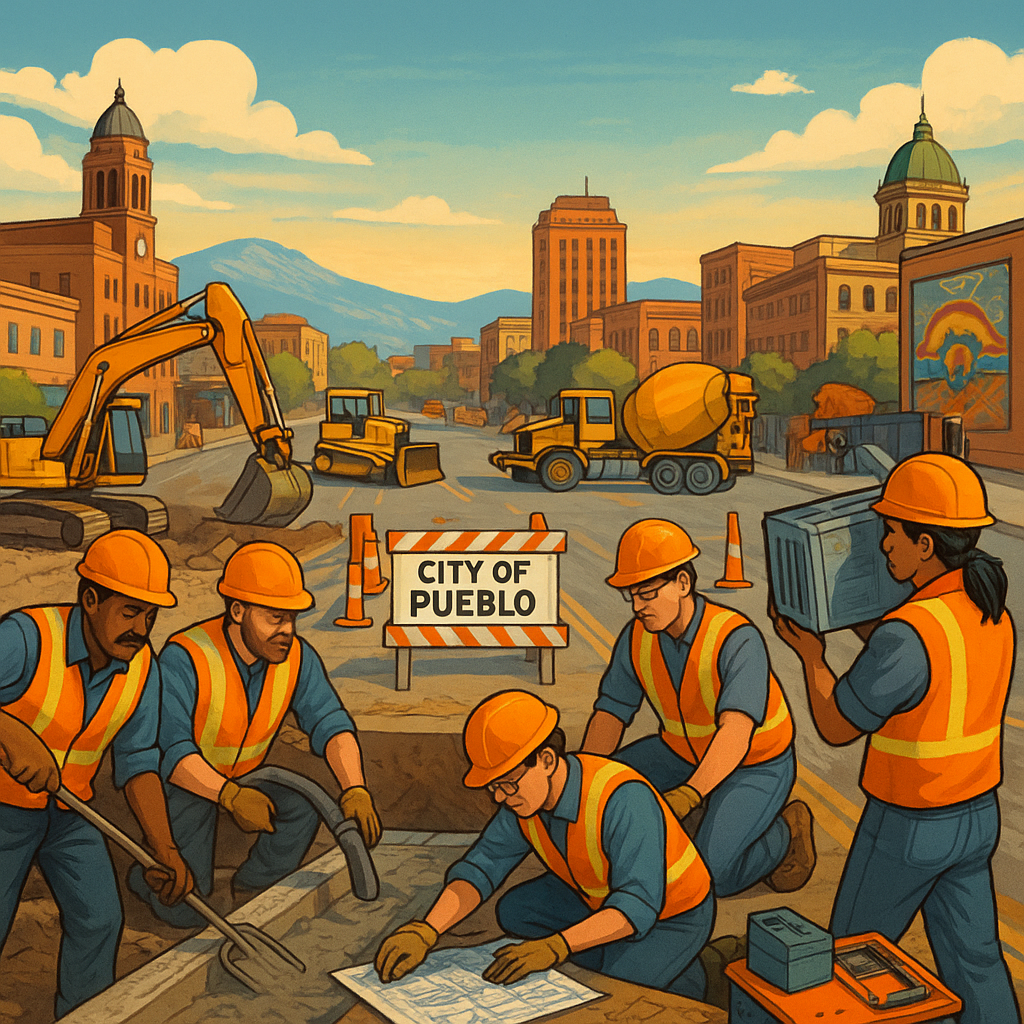
You’re driving through downtown Pueblo, and suddenly you see orange cones, a backhoe, and a crew cutting into the asphalt. Ever wonder what guarantees that the street will be put back together correctly? Or who pays if something goes wrong? The answer lies in a small but mighty financial tool called a Pueblo CO contractor bond. If you’re a builder, excavator, or HVAC specialist working near public property, understanding the Right of Way bond is your first step to landing more jobs and keeping the city happy. Let’s break it all down in plain language.
What Is a Pueblo Contractor Bond, Anyway?
Think of a surety bond as a three‑way promise. It involves you (the contractor), the City of Pueblo (the obligee), and a surety company (the financial backer). It’s not insurance for your business. Instead, it’s a guarantee to the city that you’ll follow all the rules, complete the work properly, and cover any damages you might cause along the way. If you don’t, the bond steps in to make things right.
Picture it like a security deposit that you don’t have to fully pay upfront. The city gets peace of mind, and you get to prove you’re a trustworthy professional. For many Pueblo trades, especially those touching public streets, sidewalks, or utility lines, this bond isn’t optional—it’s the ticket to pulling your permits.
Why the City of Pueblo Requires Contractor Bonds
Pueblo is a city that values its shared spaces. Roads, sidewalks, alleyways, and public right‑of‑way areas belong to everyone. When a contractor digs a trench for a new water line or pours a concrete curb, the city needs assurance that the work won’t leave behind a dangerous sinkhole or a weakened pavement. The bond acts like a referee, ensuring that your project meets municipal codes and safety standards.
Without this requirement, taxpayers could end up footing the bill for shoddy repairs or emergency fixes. The bond program shifts that responsibility back where it belongs—onto the contractor who performed the work. It also levels the playing field; every bonded contractor has gone through a financial check and agreed to operate ethically. So when you see that bond certificate, you know the company has skin in the game.
Breaking Down the Bond Types: Right of Way and Beyond
When you hear “Pueblo contractor bond,” it’s not one‑size‑fits-all. The article mentions several key categories: Right of Way, Concrete, General, HVAC, and Excavation. Each covers a different slice of the contracting world, and often the Right of Way contractor bond is the star of the show for public work.
Right of Way Contractor Bond
Any time your project touches the strip of land between private property lines—think streets, sidewalks, curbs, gutters, and the grassy areas near the curb—you’re in the right‑of‑way. This bond is required before you start cutting into pavement, repairing a water main, or installing a new driveway apron. It protects the city’s infrastructure. If your excavation accidentally nicks a fiber optic line or your concrete work cracks after a month, the bond can cover the repair costs so the public isn’t left waiting.
Concrete Contractor Bond
Flatwork specialists, listen up. Whether you’re pouring a residential patio that abuts a public walkway or replacing a commercial curb ramp, a concrete bond proves you’ll manage the job to specified standards. It gives Pueblo assurance that the mix, finish, and slope are spot‑on, preventing water buildup or trip hazards down the road.
General Contractor Bond
This broader classification can apply to remodelers, home builders, and larger‑scale developers. If you pull building permits for structural changes within city limits, a general contractor bond often sits on top of any trade‑specific bonds you might need. Think of it as a foundational guarantee that your project won’t go off the rails.
HVAC Contractor Bond
Heating, ventilation, and air conditioning work doesn’t always involve digging, but when it does—like when burying a geothermal loop or installing outdoor units near sidewalks—right‑of‑way rules can kick in. Even when the work stays completely on private property, Pueblo may require a bond to ensure proper refrigerant handling and adherence to mechanical codes.
Excavation Contractor Bond
Digging a foundation, trenching for utilities, or grading a lot all fall under excavation. This work carries a high risk of hitting underground lines or destabilizing adjacent surfaces. An excavation bond puts dollars behind the promise that you’ll call for locates, shore up trenches, and restore the site to its original condition—or better.
Who Needs This Bond? A Quick Checklist
Not sure if the bonding rule applies to you? Here’s a handy rundown of professionals who typically need a Pueblo contractor bond before they can start:
- General contractors managing home builds or remodels that require building permits.
- Concrete specialists installing driveways, paths, or public sidewalk replacements.
- Excavation and grading crews moving dirt anywhere near a road or alley.
- HVAC installers setting equipment that impacts public right‑of‑way or governed by strict city codes.
- Right‑of‑way restoration teams repairing streets, curb cuts, and utility trenches.
- Any contractor pulling a permit from Pueblo’s building department for work that extends beyond the private property line.
If you see your trade on this list, it’s a good idea to reach out to the city directly or talk to a bond specialist. The last thing you want is a stop‑work order because a piece of paperwork was missing.
How Much Does a Pueblo Contractor Bond Cost?
Here’s the part that makes people smile: you don’t have to pay the full bond amount out of pocket. The city often sets a required coverage limit—for many right‑of‑way projects in Pueblo, it’s $10,000. But you only pay a small percentage of that limit, called the premium. Your credit score, business experience, and financial history determine that percentage.
Let’s paint a picture. If the required bond amount is $10,000 and your premium rate is 1.5%, you’d pay just $150 for a year of coverage. A contractor with messier credit might see a rate closer to 5% or 10%, but even then, $500 to $1,000 is a lot more manageable than $10,000 in cash sitting in an escrow account. This keeps bonding accessible to startups and established firms alike.
The Bonding Process: Simple Steps to Get Protected
Obtaining your Pueblo CO contractor bond doesn’t have to be a headache. Follow this straightforward path, and you’ll have that certificate in hand quickly.
- Figure out which bond you need. Check Pueblo’s current contractor requirements. They might ask for a specific bond form naming the City of Pueblo as obligee.
- Reach out to a surety bond agency. Many agencies offer instant online quotes. Provide a few details about your business.
- Review your quote. Compare rates and make sure the bond covers the right trade—right of way, general, HVAC, or excavation.
- Pay the premium. Once you accept the quote, the bond is issued almost immediately.
- File the bond with the city. You’ll receive the original bond document. Submit it to Pueblo’s building or engineering department to finalize your permit or license application.
Most bonds renew annually. Set a calendar reminder so you never accidentally let your coverage lapse, which could halt your current projects.
What Happens If a Claim Is Filed?
Let’s be real for a moment. A claim on your bond isn’t something anyone wants, but understanding the process keeps it from feeling like a mystery. Suppose your crew hits an unmarked water line during right‑of‑way excavation, and the city has to pay for emergency repairs. The city can file a claim against your bond. The surety company will investigate—was the damage truly your fault? Did you follow the required safety steps?
If the claim is valid, the surety pays the city up to the bond’s limit, making the situation whole. But here’s the catch: you are ultimately responsible for that money. The surety will come to you for reimbursement. Think of a bond as a line of credit you must repay, not free insurance. That’s why doing careful work, calling for utility locates, and sticking to city codes is your best defense.
Tips to Avoid Bond Claims and Keep Your Business Shining
Protecting your bond goes hand in hand with protecting your reputation. A few proactive habits can save you from sleepless nights:
- Double‑check Pueblo’s codes before you break ground. Rules about sidewalk closures, traffic control, and materials change.
- Always secure permits. Even small jobs near the street might need a right‑of‑way permit.
- Document everything. Take photos before and after the job. Hold onto inspection reports and communication with city officials.
- Fix small problems immediately. If a concrete patch shows a hairline crack, address it now. Letting it grow could trigger a claim later.
- Communicate openly. If a project runs into unexpected underground conflicts, inform the city right away. They appreciate transparency.
Frequently Asked Questions
Is the bond the same as my liability insurance?
Not at all. Your insurance protects you from accidents and property damage. A bond protects the city and the public from your failure to perform. They work side by side but cover completely different things.
Can I get bonded with bad credit?
Yes. Many surety companies offer programs for imperfect credit. You’ll likely pay a higher premium, but you can still secure the bond and keep working. Over time, building a solid payment history can lower your rates.
Do I need a separate bond for each project in Pueblo?
Usually not. Most contractors obtain an annual blanket bond that covers all work within city limits for the year. However, exceptionally large projects—like a major street reconstruction—might trigger additional requirements. Always verify with the city’s engineering or public works department.
How fast can I get a Pueblo right of way bond?
With an online application, you can often receive a quote in minutes and have the bond emailed to you within the same day. That means you can hand it to the city without delaying your start date.
Making the Bond Work for You
Ultimately, a Pueblo CO contractor bond is more than a bureaucratic hoop. It’s a badge that tells homeowners, business owners, and city inspectors, “I’m dependable, and I stand behind my work.” When you understand the essentials—especially the Right of Way protections—you move through the permitting process faster, win more bids, and build a reputation that lasts longer than cured concrete.
So, the next time you see a crew working near the curb, you’ll know there’s a promise holding that project together. And if you’re that contractor, that promise is yours, ready to help you dig in, build up, and get