Greenwood Village, Colorado, is issuing a Public Right of Way Bond to proactively fund major upgrades to roads, sidewalks, and curbs, preventing costly emergency repairs. This initiative aims to smooth commutes, enhance pedestrian safety, and improve shared public spaces for the community.
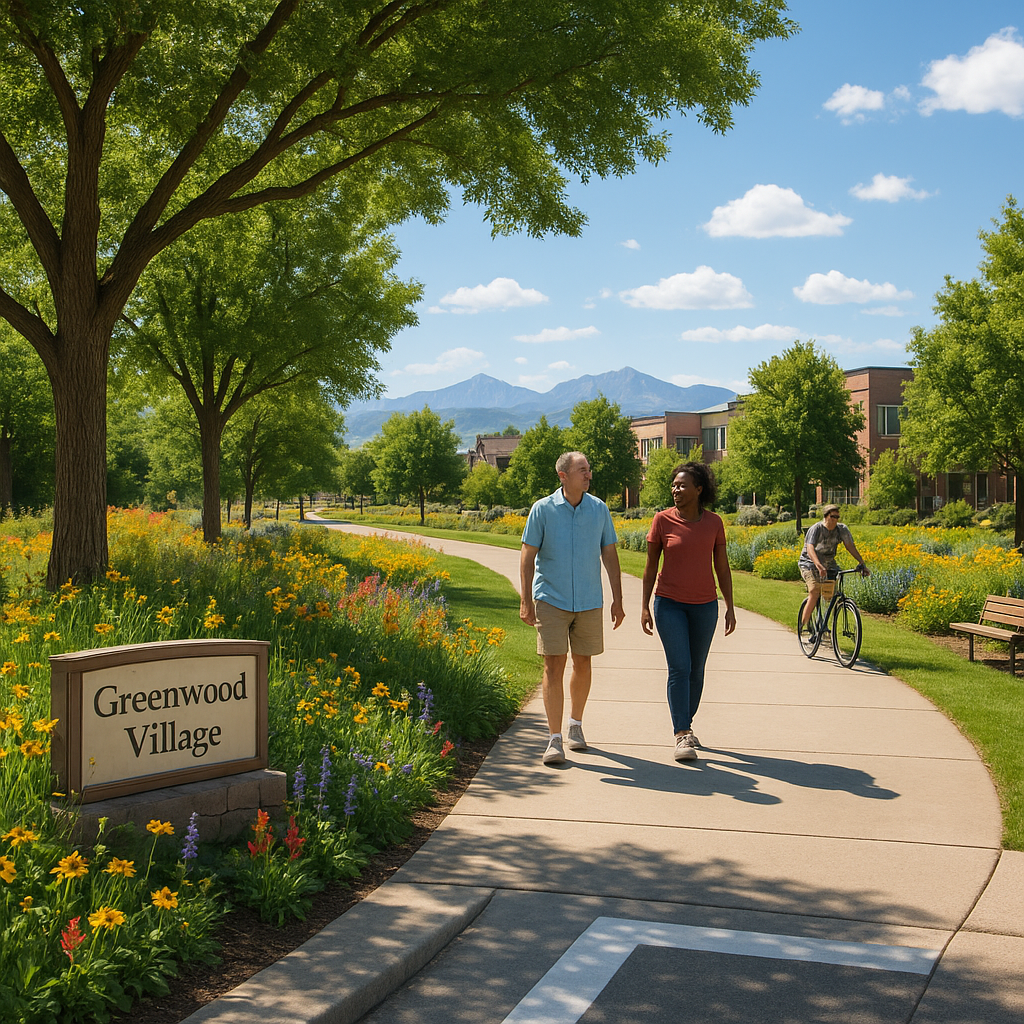
Have you ever driven down a neighborhood street and thought, “Wow, this road could really use some love!”? If you live in Greenwood Village, Colorado, that wish is about to become a reality. The city is turning heads with a new plan to upgrade its public spaces. The headline grabbing all the attention? A Public Right of Way Bond. Let’s unpack what that means, why it matters for your daily drive, and how it could make the community an even better place to call home.
What Exactly Is a Public Right of Way Bond?
Let’s skip the government jargon and get to the heart of it. Think of a public right of way bond as a mega gift card for the city that they pay back over time. When a community like Greenwood Village needs to fix a long list of roads, sidewalks, and curbs, paying for it all at once from a single year’s budget would be nearly impossible. It would be like trying to pay for an entire home renovation with just one paycheck.
Instead, the city issues a bond. Investors buy it, giving the city a lump sum of cash upfront. The city then uses that cash to tackle big infrastructure projects now, not twenty years from now. Over time, the city repays the investors with interest—similar to how you might pay off a car loan. The “right of way” part simply describes the land where public paths, streets, and utility strips sit. This bond is dedicated to sprucing up those shared spaces we all use every single day.
Why Greenwood Village Is Taking Action Now
You might be wondering, “Aren’t things already in pretty good shape?” Greenwood Village is known for its beautiful parks and well-kept neighborhoods, but infrastructure ages like anything else. Many streets were built decades ago when traffic loads were lighter and drainage standards were different. Freeze-thaw cycles, heavy Colorado snowplows, and just everyday wear and tear take their toll.
Waiting longer isn’t a smart option. Deferred maintenance is a sneaky budget killer. A small crack today turns into a massive pothole tomorrow, and a collapsed curb ends up costing ten times more to rebuild than it would have to simply patch early. This bond is a proactive move. It’s a way for the city to fix the small headaches before they become budget-busting emergencies.
Patching Potholes and Smoothing Commutes
Nobody likes the jarring thud of a pothole first thing in the morning. Beyond being an annoyance, poor road surfaces can damage tires, alignments, and even lead to accidents. The bond funds will allow crews to prioritize complete street mill and overlay projects. That smooth, fresh blacktop you’ve been yearning for on your favorite shortcut? This is the plan that makes it happen.
Safer Sidewalks and Crosswalks for Everyone
Right-of-way improvements aren’t just for cars. They’re a win for everyone on foot or wheels. Imagine walking your dog after sunset and feeling secure because the sidewalks are even and well-lit. Picture kids biking to school without dodging broken sections of pavement. The bond will help replace trip hazards and upgrade outdated curb ramps to meet modern accessibility standards. It’s about creating a neighborhood where everyone, from parents with strollers to seniors out for a stroll, can move around safely.
How Does the Money Tap Work?
Understanding the financial mechanics doesn’t require an economics degree. When the City Council and voters get behind a bond like this, they are basically authorizing a low-interest municipal mortgage. Greenwood Village has a strong credit rating, which means banks and investors trust the city to manage its money well. That results in favorable borrowing terms.
Here’s a simple breakdown of the journey from paper to pavement:
- Planning Phase: Engineers identify the most critical streets, intersections, and pedestrian paths needing attention. They draw up a master list of projects.
- Voter Approval: Often, bonds that require a property tax increase need to go before the voters. The community gets a direct say. (The exact process for this specific Greenwood Village bond would follow Colorado’s local election rules.)
- Sale of Bonds: The city sells the bonds on the municipal market, receiving the cash infusion.
- Shovels in the Ground: Contractors are hired, materials are purchased, and the construction begins.
- Repayment: The bond is paid back over 15 to 20 years, usually through a slight adjustment to the mill levy—the property tax rate.
Will This Affect Your Tax Bill?
Let’s address the elephant in the room. Yes, a public right of way bond typically involves a property tax adjustment. But before you shudder at the thought of massive tax hikes, take a deep breath. The impact is usually spread out over thousands of properties and many years, making it surprisingly modest for the average homeowner.
An analogy might help: Think of it like a monthly streaming subscription. For the cost of one or two cups of fancy coffee each month, you help fund a massive upgrade to your entire street network. You get the luxury of a smoother driveway approach, fewer alignment repairs on your car, and a tangible boost to your curb appeal. It’s less of an expense and more of a collective investment that pays dividends in daily comfort and property value.
The Hidden Benefits of Upgraded Infrastructure
A fresh layer of asphalt is just the surface story. The ripple effects of a bond project go deep into the community fabric.
Protecting Home Values
Real estate agents will tell you that drive-up appeal matters. A street with fresh pavement, crisp striping, and smooth curbs signals a well-managed neighborhood. When the public right of way looks sharp, it sets a standard of care that positively influences property values across the entire area. It tells potential buyers that this is a city that invests in itself.
Economic Boost and Local Jobs
Infrastructure projects create immediate local jobs. From the engineering firms drawing the blueprints to the asphalt crews laying the mix and the traffic control flaggers keeping everyone safe, this money circulates through the local economy. It also makes commercial corridors more inviting for shoppers, helping small businesses thrive.
Better Stormwater Management
Modern right-of-way projects often include vital underground work. Outdated drainage systems can lead to water pooling on roads and flooding in yards. These upgrades allow the city to install better culverts and storm drains, which handles Colorado’s flashy downpours much more efficiently, protecting basements and reducing insurance headaches.
What Can You Expect During Construction?
Let’s be real. The journey to better roads involves a bit of temporary pain. Orange cones, detour signs, and the rhythm of heavy machinery can disrupt your usual route. Good planning, however, makes all the difference.
Greenwood Village typically works with contractors to minimize disruptions. You’ll likely see phased construction where only short sections are under work at a time. Access to driveways is almost always preserved, and major work is often scheduled outside of peak rush hours. Communication will be key. Watch for electronic message boards, social media updates, and mailers that show you exactly which street is next and how long the crew will be in your neighborhood.
A Legacy Poured in Concrete
Infrastructure is the silent skeleton of a great city. You don’t always notice it when it’s working, but you absolutely feel it when it fails. Greenwood Village’s decision to pursue a public right of way bond is more than a short-term fix; it’s a strategic move to hand over a well-maintained, safer, and more connected community to the next generation.
When you see the steam rising from fresh asphalt on a cool Colorado morning, remember that it represents neighbors pooling resources to build something lasting. It’s about smooth bike rides, secure late-night walks, and knowing that your community keeps its promises. So, next time you glide down a newly paved lane without a single bump, you’ll know exactly how that little slice of progress was funded—and why it was worth every penny.