Contractor license bonds in Jackson, WY protect homeowners and businesses from financial harm caused by contractors who violate building codes or abandon projects. These bonds act as a safety net, allowing affected parties to file claims for compensation and ensuring only accountable, financially backed contractors operate in the town's growing construction market.
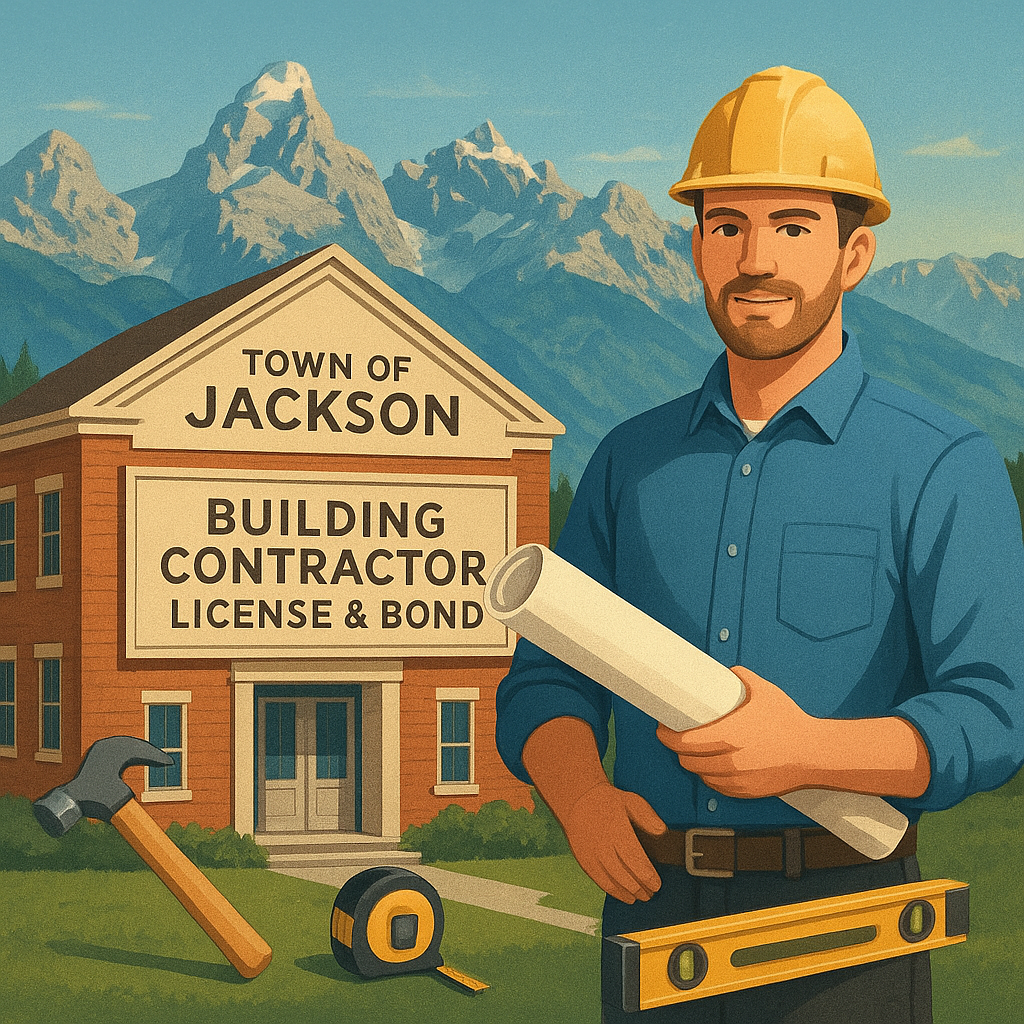
If you’re a contractor in Jackson, Wyoming — or you’re planning to hire one — you might have stumbled across the term “contractor license bond.” It sounds like dry paperwork, right? But in reality, it’s a simple and powerful tool that protects real people from financial headaches. Let’s walk through what these bonds are, why the Town of Jackson requires them, and how they create a safer, more trustworthy community for everyone.
What Exactly Is a Contractor License Bond?
Think of a contractor license bond as a three-way promise. It involves the contractor (you), the Town of Jackson (the obligee), and the people who hire the contractor (the public). The bond says, “This contractor agrees to follow local building codes and laws. If they don’t, and it causes you financial harm, there’s money set aside to make things right.”
It is not insurance for the contractor. It’s protection for the public. If the contractor makes a mistake, violates a code, or fails to complete a job according to the contract, the harmed party can file a claim against the bond. That’s a safety net you hope nobody ever needs — but it’s there if they do.
Why Does Jackson, WY Require This Bond?
Jackson is more than a breathtaking gateway to the Tetons. It’s a fast-growing town with a booming construction and renovation market. With so many new homes, businesses, and remodels happening, the local government wants to maintain high standards. A contractor license bond is one of the best ways to do that.
It acts like a filter. Contractors who get bonded demonstrate they are serious, accountable, and financially backed. It also gives the town a way to enforce rules without using taxpayer money for every dispute. If a contractor does subpar work or abandons a project, the bond can compensate the affected party. It keeps bad actors out of the market and encourages every builder to do their best work.
The “Third-Party Liability” Angle Explained Simply
You might see the term “third-party liability” attached to these bonds. What does that mean? The contractor is the first party. The Town of Jackson is the second party. You, the homeowner or business owner, are the third party. The bond is designed specifically to protect you — that third party — from losses caused by the contractor’s actions.
Imagine you hire a contractor to add a sunroom to your house. Midway through the project, they disappear with your deposit. Or they build a roof that doesn’t meet Jackson’s strict snow load requirements, and it collapses. Without a bond, you might have to sue and hope they have money to pay. With the bond, you can file a claim and potentially recover your losses much faster.
How Does the Bond Work in Real Life?
Here’s a simple story. Mark, a homeowner in Jackson, hires a licensed contractor to renovate his kitchen. The contractor is bonded for $10,000, as required by town rules. Halfway through, the contractor makes a critical plumbing error that floods the floor, causing $7,000 in water damage. The contractor refuses to fix it or reimburse Mark. Mark files a claim with the bond company. After an investigation, the surety pays Mark up to the bond amount, and then the contractor has to repay the surety. Mark doesn’t have to drain his savings to fix a mistake he didn’t make.
That’s the beauty of the system: it turns a potential disaster into a manageable problem. The bond doesn’t make the contractor immune to consequences — it actually holds them more accountable because they have to repay every cent.
Who Needs a Contractor License Bond in Jackson?
Not every handyman needs a bond. Generally, if you’re performing construction, remodeling, or certain trade work that requires a license from the Town of Jackson, you’ll need to post a bond. This can include:
- General building contractors
- Residential remodelers
- Roofing contractors
- Plumbers and electricians (depending on local licensing rules)
- HVAC specialists
- Some specialty subcontractors
The specific bond amount can vary by trade and project type, but the purpose remains the same: financial assurance that the work will meet local standards. If you’re unsure whether your trade requires a bond, a quick call to the Town of Jackson’s building department can clear things up.
What Does the Bond Cost?
This surprises many people. You don’t pay the full bond amount upfront. Instead, you pay a small percentage — called the premium — usually between 1% and 10% of the total bond value. For a $10,000 bond, you might pay only $100 to $500 per year, based on your credit, experience, and financial history. It’s an affordable way to build trust and meet a legal requirement.
Even better, because bond companies care about a contractor’s track record, getting bonded can become easier and cheaper over time if you maintain a clean reputation. A strong credit score and no claims? Your premium could drop. It rewards contractors who do things the right way.
Isn’t This Just Another Fee?
I hear you. Nobody likes extra fees. But think of the bond less as a fee and more as a badge of credibility. When you hand your license to a potential client, and they see you’re bonded, it instantly answers their biggest unspoken question: “Can I trust this person with my home?” You’re not just saying you’re reliable — you’re putting financial backing behind your promise.
For consumers, knowing a contractor is bonded means you’re not playing a guessing game. You can verify the bond with the town. It’s a green flag in a sea of unknowns. Would you rather hire a contractor who cuts corners on paperwork and protections, or one who invests in doing things the right way? The bond helps the market reward honest, careful professionals.
How to Get a Contractor License Bond in Jackson
The process is simpler than you might think. Here’s a quick roadmap:
- Check your requirements. Reach out to the Town of Jackson or visit their website to find out the exact bond amount and type you need.
- Find a reputable surety bond agency. Many agencies specialize in contractor bonds and understand Jackson’s local rules.
- Apply for the bond. You’ll provide basic business and personal information. The agency will run a soft credit check (usually) and review your work history.
- Pay the premium. Once approved, you pay the annual premium, and they issue the bond form.
- File it with the town. Hand over the bond paperwork to the Town of Jackson as part of your license application or renewal.
That’s it. For most contractors, from start to finish, you can be bonded within a few business days. It’s a small investment of time that pays off in client confidence and legal compliance.
What Happens if a Claim Is Filed?
Let’s be realistic. Nobody wants a claim. But they can happen. If a homeowner files a valid claim, the surety company will investigate. If the claim is determined to be legitimate, the surety pays the homeowner up to the bond limit. Then, they turn to the contractor for full repayment. Yes, you read that right — the contractor must pay back every single dollar. In that sense, it works almost like a cosigned loan. The bond protects the public first, then seeks reimbursement from the contractor.
For contractors, this underscores the importance of doing quality work, sticking to the contract, and communicating clearly with clients. The bond is a safety net, but stepping onto that net can be expensive. Avoid claims by keeping projects on track, fixing mistakes voluntarily, and never walking away from a job without resolution.
Common Misconceptions About Contractor Bonds
Myth: “The bond covers my tools and property.”
Truth: No, that’s what inland marine insurance or a business owner’s policy covers. The bond is there to protect clients, not the contractor’s own assets.
Myth: “If I’m bonded, I don’t need insurance.”
Truth: Bonds and insurance serve completely different purposes. Insurance protects you from accidents, damage to your own equipment, or lawsuits. Your bond protects the public from your failure to meet licensing obligations. You typically need both.
Myth: “Only big commercial projects need bonds.”
Truth: In Jackson, even small residential jobs often require a bonded contractor if a license is required. Always check local regulations.
The Bigger Picture: A Safer Jackson
When you step back, contractor license bonds aren’t just paperwork. They’re part of a community’s commitment to quality. Jackson’s stunning landscape and tight-knit neighborhoods deserve buildings that are safe, durable, and code-compliant. By requiring bonds, the town ensures that when a project goes wrong, the financial burden doesn’t fall entirely on an unsuspecting family. It spreads the risk and makes contractors mindful of their responsibilities.
For homeowners, it means you can check a contractor’s bonding status before you sign a contract. For contractors, it’s a way to separate yourself from the fly-by-night operators who undercut prices and disappear. It’s a simple system with profound effects.
Questions to Ask Before Your Next Project
Are you about to hire someone for construction work in Jackson? Here are a few friendly questions to put your mind at ease:
- “Can I see your Town of Jackson contractor license and bond certificate?”
- “What is your bond amount, and how do I know it’s active?”
- “Have you ever had a claim filed against your bond?”
- “Do you also carry general liability insurance?”
A reputable contractor will answer happily and provide proof. If someone gets defensive or vague, that’s a red flag. Trust your instincts, and remember that a bond is a powerful piece of paper that can save you from heartache.
Wrapping It All Up
Understanding contractor license bonds doesn’t require a law degree. It’s simply a promise backed by cash — a promise that the contractor will obey the rules and do right by you. For the Town of Jackson, WY, this bond is a cornerstone of responsible building. It protects families, strengthens the local economy, and raises the bar for craftsmanship. Whether you’re swinging the hammer or holding the blueprint, knowing how that bond works makes you smarter, safer, and ready to build a better Jackson.