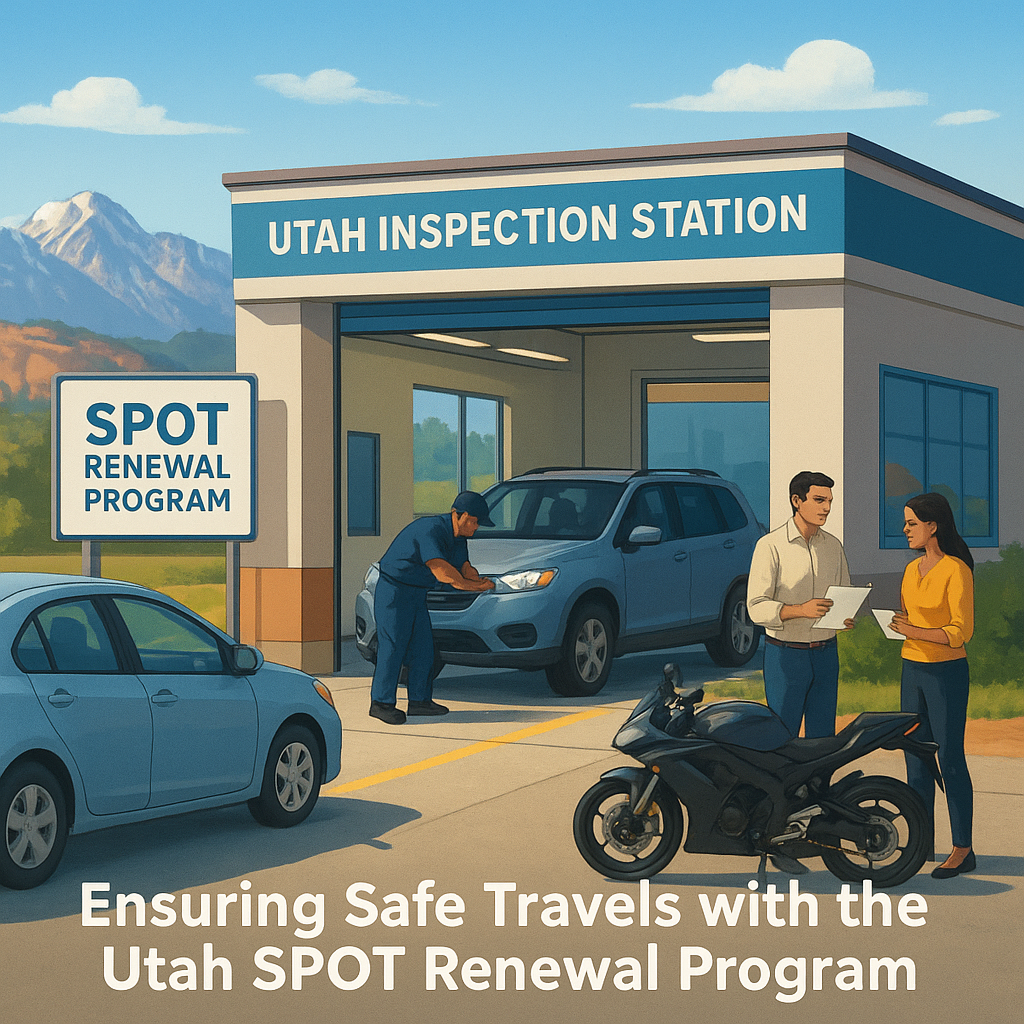
Have you ever wondered what keeps Utah’s vehicle inspection system running smoothly? If you’re a station owner, a mechanic, or just a curious driver, the SPOT Renewal Program is something you’ll want to understand. It’s the backbone of how the state ensures every safety and emissions check is done right, and at the center of it all is a little-known requirement: the Utah Motor Vehicle Inspection Station Bond. Don’t let the formal name scare you. Think of it as a financial promise that protects everyone involved.
In this post, we’ll break everything down in plain English. You’ll learn what the SPOT program is, why a bond is a must-have for inspection stations, and how the whole process works. Grab a cup of coffee, and let’s dive in.
What Exactly is the SPOT Renewal Program?
First things first: SPOT stands for the State of Utah Vehicle Inspection Program. It’s the official system that manages all the certified inspection stations across the state. When you take your car in for a safety test or an emissions check, the results get logged into the SPOT database. This isn’t just paperwork—it’s a high-tech way to make sure every inspection meets Utah’s standards.
The “Renewal Program” part comes into play because stations don’t just sign up once and forget about it. Each year, certified locations have to renew their authority to perform inspections. That renewal process includes updating paperwork, maintaining the right equipment, and yes, securing a bond. Think of it as a yearly tune-up for the station’s credentials. Without a current SPOT renewal, a station can’t legally inspect your vehicle.
So why does it matter to you as a driver? It gives you peace of mind. When you see that official SPOT sticker on a shop’s window, you know they’re playing by the rules, their testers are trained, and they’ve put up a financial guarantee to back their work.
The Bond: Your Station’s Safety Net (and the State’s, Too)
Now let’s talk about the star of the show: the Utah Motor Vehicle Inspection Station Bond. You might also hear it called a SPOT renewal program bond or simply an inspection station bond. No matter the name, the purpose is the same. This bond is a three-party agreement that acts like a security deposit. Here’s how it breaks down:
- The Principal: That’s you, the inspection station owner. You’re the one buying the bond.
- The Obligee: This is the State of Utah—specifically the agency that oversees the SPOT program. They require the bond to protect the public.
- The Surety: An insurance company or bonding company that issues the bond and guarantees payment if something goes wrong.
Imagine you rent an apartment. The landlord asks for a security deposit in case you damage the place. The bond works similarly, but instead of a landlord, the state is the one asking for a deposit to cover any mistakes or rule-breaking by the station. If a station performs a sloppy inspection, issues a fake pass, or doesn’t follow the program’s rules, the bond money can be used to set things right. That might mean paying fines, covering the cost of a re-inspection, or compensating someone who got a bad read.
Why Does the State Require This Bond?
You might be thinking, “Why can’t the state just trust the station owners?” The truth is, most station owners are honest, hardworking people. But regulations exist to protect everyone from the tiny minority who might cut corners. The bond requirement does a few important jobs at once:
- It keeps the public safe. Your car’s brakes, lights, and emissions affect everyone on the road. If a station falsely passes a dangerous vehicle, the bond helps cover the consequences.
- It ensures financial accountability. The state doesn’t have to chase after a station that racks up penalties—the bond provides a ready source of funds.
- It filters out unprepared applicants. Getting a bond requires a background check and financial review. That means fly-by-night operators who can’t qualify for a bond are less likely to enter the system.
In short, the bond is a tool that says, “We trust you, but we also have a backup plan.” It’s a smart way to keep the SPOT program honest without placing a heavy burden on station owners.
Who Needs an Inspection Station Bond?
If you’re running a shop in Utah that performs official safety inspections or emissions tests, you need this bond. It doesn’t matter if you’re a brand-new startup or a family business that’s been around for decades—the requirement kicks in the moment you want to be part of the SPOT program. You can’t log into the electronic reporting system, issue certificates, or get paid for state-required inspections without it.
Even mobile inspection units, fleet maintenance shops that test their own vehicles, and dealerships doing pre-sale checks fall under this umbrella. The bond is a universal ticket to play. When renewal season comes around, proving you have an active bond is just as important as showing your calibration certificates for the testing equipment.
What Does the Bond Cost?
Here’s a common misconception: you don’t have to pay the full bond amount out of pocket. The state sets a required bond amount, often somewhere around $10,000 or a similar figure (always check the latest requirements from the Utah Motor Vehicle Enforcement Division). You, as the station owner, pay a premium to the surety company each year. That premium is a small percentage of the total bond amount—typically 1% to 5%—depending on your credit score and business history.
So, if the bond amount is $10,000, your annual cost might be as low as $100 to $500. That’s a pretty affordable safety net. It’s much cheaper than dealing with fines or losing your license to operate.
How the SPOT Renewal and Bond Work Together
Every year, the renewal cycle clicks into gear. The state sends out notifications, and station owners gather their documents. The bond sits at the heart of this checklist. Here’s a typical sequence of events:
- Review the notice. The state reminds you what’s due. If it’s an odd-numbered year, emissions testing equipment might need a calibration check, too.
- Update your bond. You contact your surety provider, pay the premium, and receive a renewal certificate. This proves your bond is active for another term.
- Submit paperwork. You upload the bond certificate along with other required forms through the SPOT online portal.
- Pay renewal fees. There’s usually a separate state renewal fee in addition to your bond premium.
- Get the green light. Once approved, you can keep inspecting vehicles as usual. No lapse, no headache.
Think of the bond as the first domino. If it falls—meaning you forget to renew it—the whole chain stops. Your station could be suspended, and any inspections you perform without a valid bond won’t be recognized. That means unhappy customers and potential legal trouble.
What Happens If Something Goes Wrong?
Let’s play out a real-world example. Suppose an inspection station passes a car that later turns out to have a major exhaust leak, and that leak leads to a carbon monoxide incident. The state investigates and finds that the station’s technician didn’t follow proper procedure. At that point, the state can file a claim against the station’s bond.
The surety company will investigate the claim. If it’s valid, the surety pays out up to the full bond amount. But here’s the crucial part: the station owner has to pay the surety back. A bond is not insurance for the station owner—it’s a line of credit that must be repaid. This keeps station owners accountable. You can’t just let the bond take the hit and walk away; you’re on the hook for every penny.
That’s why it’s so important to train your employees, follow the SPOT program guidelines to the letter, and never give a passing grade unless the vehicle truly meets the standards. The bond is there for honest mistakes, but it’s not a get-out-of-jail-free card.
Tips for a Smooth SPOT Renewal Season
Nobody likes a last-minute scramble. Here are some friendly pointers to keep your station’s bond and renewal on track:
- Start early. Don’t wait until the week your bond expires. Give yourself at least a month to shop for rates or update your paperwork.
- Work with a bond specialist. An agency that focuses on Utah vehicle inspection bonds will know the exact requirements and can often get you the best price.
- Keep your credit healthy. A higher credit score often means a lower premium. Pay your business bills on time—it really helps.
- Read the fine print. Some bonds automatically renew, others don’t. Know what yours does so you don’t accidentally let coverage lapse.
- Ask questions. If you’re confused about any part of the renewal, contact the Utah Motor Vehicle Enforcement Division directly. They’d much rather clarify than deal with a non-compliant station later.
And for drivers, your role is simpler. When you visit a shop, don’t be shy. Ask to see their SPOT certificate or check online if the station is in good standing. It’s a quick way to confirm you’re getting a trustworthy inspection.
Common Questions People Ask
Can I get a bond with bad credit?
Yes, it’s possible. You might pay a higher premium, but there are bonding companies that specialize in helping station owners with less-than-perfect credit. The key is to be upfront and compare quotes.
Is the bond the same as liability insurance?
Not at all. Liability insurance protects the station if someone gets hurt on the property or if work causes damage. The SPOT bond specifically protects the state and the public from violations of the inspection program rules. You need both, but they serve completely different purposes.
What if my station stops doing state inspections?
If you decide to exit the SPOT program, you’ll still need to keep your bond active for a short period (often one year) to cover any issues from inspections you already performed. After that, you can cancel the bond following the surety’s instructions. Always notify the state, so you’re not marked as non-renewing when you really just closed that part of the business.
Keeping Utah’s Roads Safer, One Bond at a Time
At the end of the day, the Utah Motor Vehicle Inspection Station SPOT Renewal Program Bond exists for a very human reason: safety. It connects the state’s oversight with everyday shops and the drivers who depend on them. Sure, it’s a paperwork requirement, but it’s also a sign of commitment. When a station proudly displays that SPOT approval, you know they’ve put their name—and their finances—on the line to do the job right.
Whether you’re running a station or just steering a minivan full of kids to soccer practice, that understanding makes a difference. So next time you roll into an inspection bay, you’ll know a little more about the invisible promise keeping everyone honest. Here’s to clear air, sturdy brakes, and a smooth renewal season for all the hardworking stations across the Beehive State.